

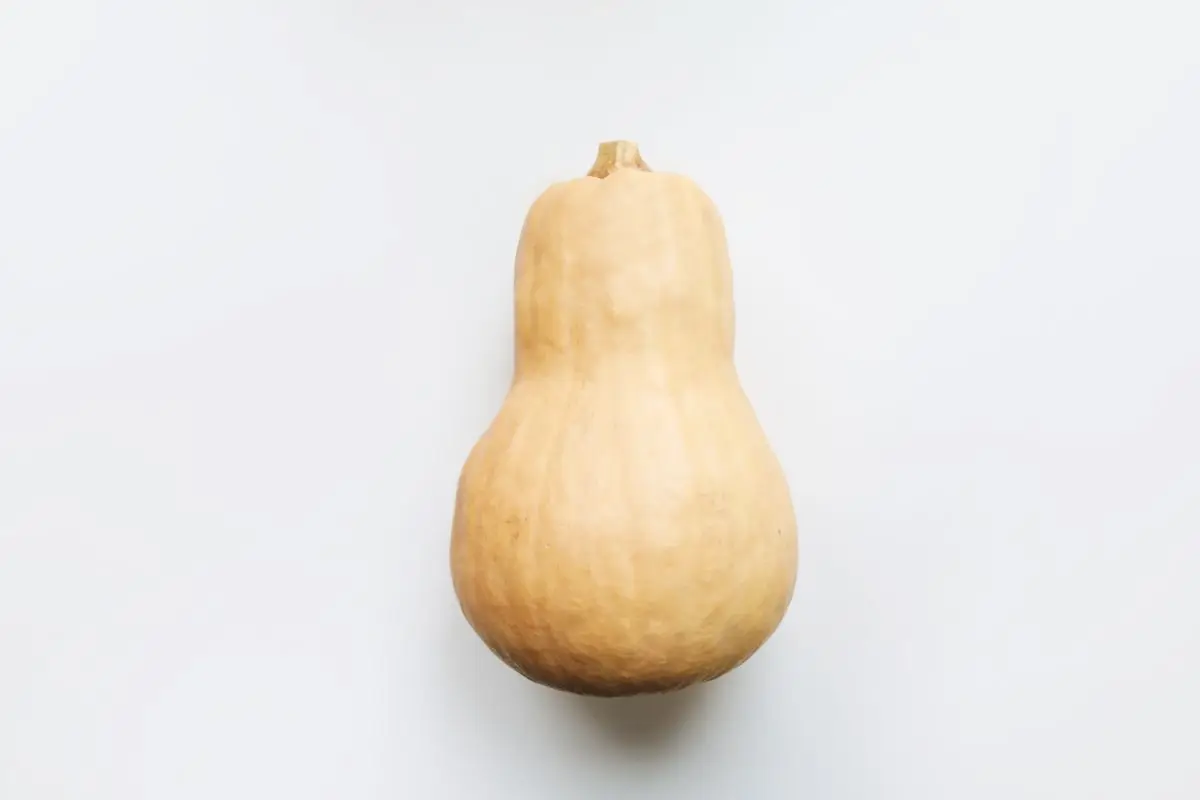
At 29 weeks pregnant, your baby is about 38.6 cm long, roughly the size of a butternut squash, and weighs about 2.5 lb (1,150 g). Your baby is growing fast, and it takes plenty from you. That includes iron.
If you are more tired than you expected, it is worth asking whether it is normal third-trimester tiredness or iron-deficiency anemia. This guide explains how to tell, how anemia is tested and treated and how to get more iron from your food.
Your baby this week
Your baby's bones are hardening as they absorb calcium, and the skeleton is nearly complete, though the skull stays soft so that it can pass through the birth canal. The head is growing to make room for the brain, which is developing quickly. The muscles and lungs continue to mature.
Your baby is also building up iron stores, which will last for the first months after birth, when breast milk and formula contain relatively little iron. Most of this iron is stored in the last weeks of pregnancy, and it comes from you.
How it happens. Iron is carried to your baby across the placenta. Your body prioritizes your baby's needs, so if your supply is low, you may run short before your baby does. This is why your levels are checked.
Your body this week
Your blood volume has increased by about half since before pregnancy, and your body has to make more red blood cells to carry oxygen. That takes iron. At the same time, your baby draws on your supply. The result is that pregnancy roughly doubles your iron needs.
The amount of plasma (the liquid part of blood) rises faster than the number of red blood cells, so the blood is more dilute. This is normal, and it is why the hemoglobin level, the protein that carries oxygen, falls slightly in the second trimester. The cut-off for calling this anemia is lower than outside pregnancy, and it is set by your provider.
Common symptoms at 29 weeks
- Tiredness. Normal in the third trimester, but it may be worse with anemia.
- Paleness. The skin, lips or inside of the eyelids may look paler.
- A faster heartbeat or palpitations. Your heart works harder when oxygen is low.
- Breathlessness. It may occur even when you walk slowly.
- Dizziness or headaches. Low oxygen delivery can cause both.
- Strong kicks. Your baby is big enough for firm movements.
Is it iron-deficiency anemia?
Many of the symptoms of anemia overlap with normal pregnancy, so you cannot tell by how you feel. A blood test, called a full blood count, is used to measure your hemoglobin. In many countries, it is done at your first visit and again at about 28 weeks. If you have symptoms, ask for it sooner.
The World Health Organization notes that anemia is common in pregnancy worldwide, and iron deficiency is its most common cause. Other causes include low vitamin B12 or folate, some inherited blood conditions and blood loss. Countries also differ on routine iron: Denmark's routine programme starts iron at week 10, while Norway and Ireland use a blood test to decide.
If your hemoglobin is low, your provider may check your iron stores with another test called serum ferritin. They will also ask about your diet, and about any bleeding or other health condition.
How anemia is treated
Iron by mouth. This is the usual first step, and international guidance (FIGO, 2025) names it as first-line treatment, with a clinician-set range of 60 to 120 mg of elemental iron a day. Tablets or liquid are taken daily or, in some plans, on alternate days. Some evidence suggests alternate-day dosing may absorb better and cause fewer side effects, but practice varies, so follow the plan your provider gives. Keep iron away from children, because an overdose is dangerous for them.
Managing side effects. Iron can cause constipation, nausea, stomach pain and dark stools. Taking it with a little food, changing the brand or dose, drinking more fluids and eating fibre can help. Do not stop without talking to your provider.
Iron by drip. If you cannot tolerate tablets, if the tablets do not work or if you are close to birth with low levels, an intravenous iron infusion can raise levels faster. It is given at a hospital or clinic.
Other treatment. If B12 or folate is low, those are treated too.
Do not start high-dose iron on your own. Too much iron does not help if you are not deficient, and it can cause side effects. Your prenatal vitamin may already contain iron. Population safe-level figures, such as EFSA's 40 mg a day for adults, do not apply to iron a clinician prescribes, so do not stop a prescribed tablet because of a number on a label.
Getting more iron from food
Iron comes in two forms. Heme iron, found in meat, poultry and fish, is absorbed more easily. Non-heme iron, from plants and eggs, is absorbed less well, but you can improve it.
- Good sources of heme iron: lean red meat, chicken, turkey and fish. Avoid liver, because of its vitamin A content.
- Good sources of non-heme iron: lentils, beans, chickpeas, tofu, fortified breakfast cereals, dark leafy greens, dried apricots and seeds.
- Add vitamin C. Fruit, peppers, tomatoes or a glass of orange juice with the meal improves absorption from plant foods.
- Separate tea and coffee from iron-rich meals. They contain compounds that block absorption. Leave an hour or two between them.
- Take calcium supplements at another time. Calcium can compete with iron, so avoid taking them together.
Food alone may not correct anemia, and it does not replace treatment. But it supports it, and it helps prevent it.
Unusual cravings
Some people crave ice, clay, chalk, starch or other non-food items. This is called pica, and it can be a sign of iron deficiency. Tell your provider. Do not eat items that are not food, since some are harmful.
Your week 29 checklist
Call your provider
Call your provider if you feel faint, have chest pain, a racing heartbeat, or are severely breathless at rest. Call for heavy bleeding or if your baby's movements change. Call an emergency number for chest pain or sudden severe breathlessness. This guide is general information and does not replace medical advice.
Frequently asked questions
Why am I so tired at 29 weeks pregnant?
You are carrying more weight, sleep is harder and your body is working hard. Anemia is a possible cause, so ask for a blood test if you are exhausted.
What are the symptoms of anemia in pregnancy?
Tiredness, paleness, breathlessness, dizziness, headaches and a fast heartbeat. Many overlap with normal pregnancy, so a blood test is needed to confirm.
What foods are high in iron for pregnancy?
Lean red meat, poultry, fish, lentils, beans, tofu, fortified cereals and leafy greens. Have vitamin C with plant sources to absorb more.
Sources
Sources: NHS: 29 weeks pregnant; NIH ODS: Iron; WHO: Daily iron supplementation during pregnancy; WHO: Anaemia fact sheet; Mayo Clinic: Fetal development, the third trimester; FIGO: Good practice recommendations on anaemia in pregnancy, 2025; EFSA: Iron safe-level opinion, plain-language summary; Sundhedsstyrelsen Denmark: Nutrition and supplements in pregnancy; Helsenorge Norway: Dietary advice for pregnant women; HSE Ireland: Healthy eating during pregnancy