Your blood volume rises during pregnancy, and your body needs iron to make the extra red blood cells that carry oxygen to you and your baby. Food is the foundation, and it works best with a prenatal vitamin and a blood test when your provider advises one.
This guide shows the best food sources, how to help your body absorb more iron, how supplements fit in and ideas for each trimester.
Why does your body need more iron?
Blood volume rises by roughly 30 to 50 per cent during pregnancy, and your baby and placenta need iron to grow. If you start pregnancy with low stores, the demand can outpace what you take in. Heavy periods before pregnancy, a vegetarian or vegan diet, closely spaced pregnancies and bowel conditions raise the chance of running low.
Iron is not the only cause of anemia. The World Health Organization notes that anemia can come from other nutrient shortages, infections, inflammation and inherited blood conditions, and in some places malaria plays a part. That is why a blood test matters more than a guess.
Two kinds of iron
Iron comes in two forms. Heme iron, found in meat, poultry and fish, is absorbed more easily. Non-heme iron, from plants and eggs, is absorbed less well, and you can improve it with the right pairings.
- Heme iron: lean red meat, chicken, turkey and fish.
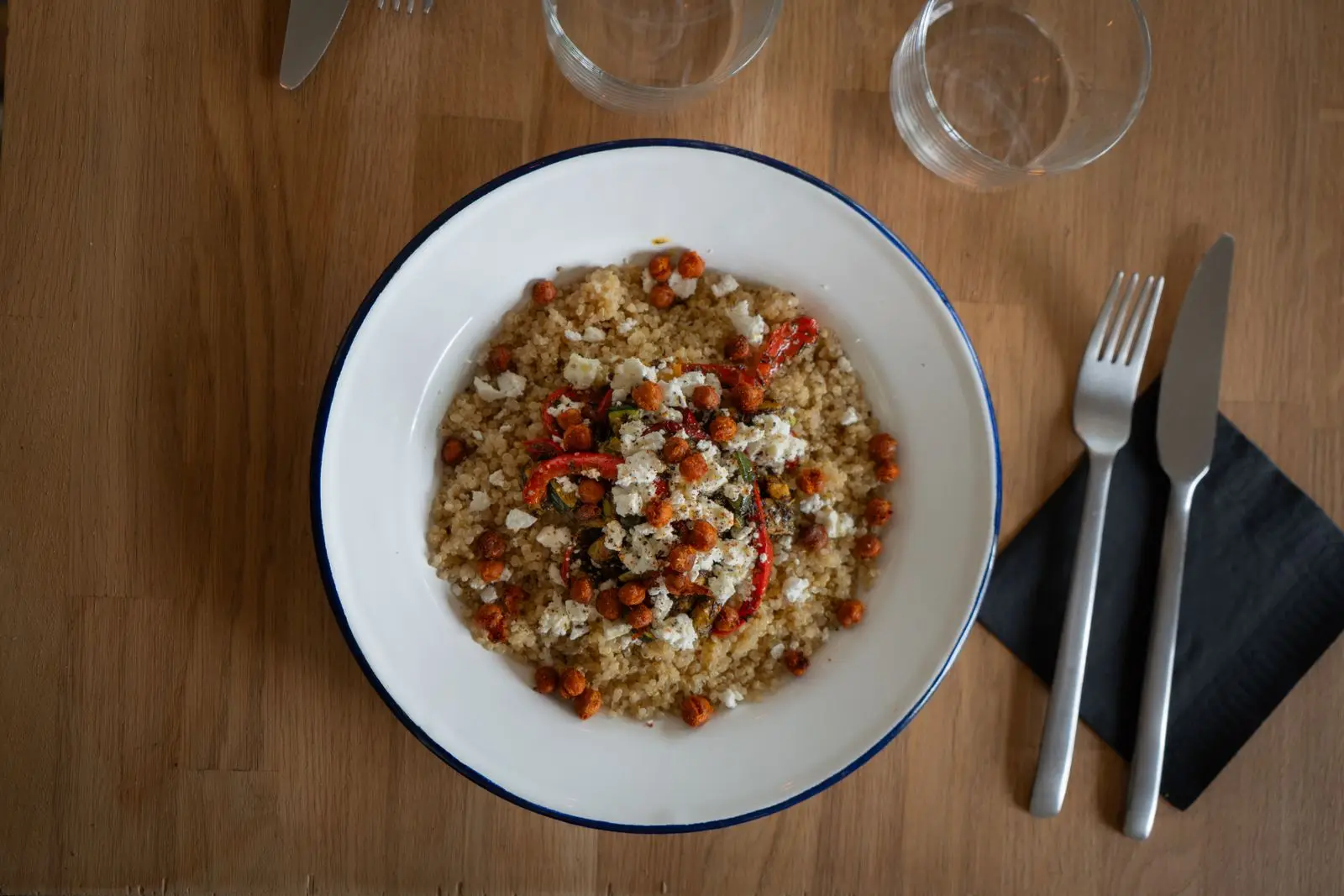
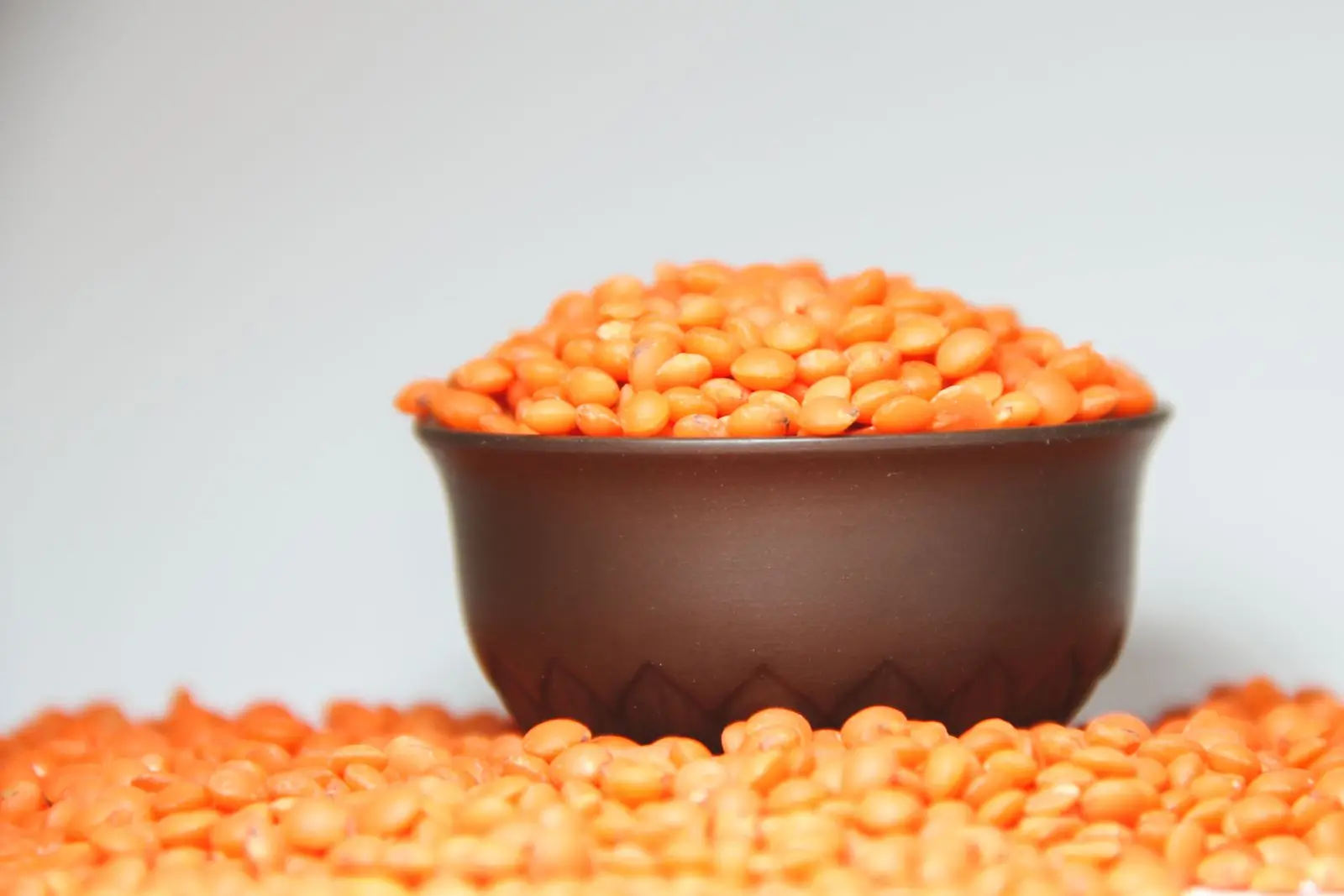
- Non-heme iron: lentils, beans, chickpeas, tofu, fortified breakfast cereals, dark leafy greens, dried apricots and seeds.
Avoid liver and liver products, because of their high vitamin A content.
How much iron is in common foods?
Amounts vary by brand and preparation, so treat these as a guide.
| Food | Typical serving | Iron (about) |
|---|---|---|
| Fortified breakfast cereal | 1 serving | 4 to 18 mg, check the label |
| White beans, canned | 1/2 cup | 4 mg |
| Lentils, cooked | 1/2 cup | 3 mg |
| Tofu, firm | 1/2 cup | 3 mg |
| Spinach, cooked | 1/2 cup | 3 mg |
| Chickpeas, canned | 1/2 cup | 2 mg |
| Lean beef, cooked | 3 oz (85 g) | 2 mg |
| Baked potato with skin | 1 medium | 2 mg |
A day of meals with a few of these, plus a prenatal vitamin, can reach the reference figure for many people. A registered dietitian can check your own menu.
How do you help your body absorb more?
- Add vitamin C. Fruit, peppers, tomatoes or a glass of orange juice with a meal improves absorption from plant foods.
- Separate tea and coffee from iron-rich meals. They contain compounds that block absorption, so leave an hour or two between them.
- Take calcium supplements at another time. Calcium can compete with iron.
- Pair carefully. A lentil dish with tomatoes, or fortified cereal with strawberries, gives you iron and vitamin C in one sitting.
Ideas for each trimester
Needs rise as your blood volume grows, so aim to include an iron-rich food at most meals across the whole pregnancy. These ideas fit common symptoms in each stage.
| Stage | What is common | Food ideas |
|---|---|---|
| First trimester | Nausea and food aversions | Small portions of fortified cereal with fruit, egg on toast, lentil soup, chicken and rice if smells are tolerable |
| Second trimester | Appetite returns | Bean chili with peppers, tofu stir-fry with broccoli, beef and vegetable stew, hummus with whole grain bread |
| Third trimester | Fullness and constipation | Smaller meals more often, lentil and vegetable soup, fortified oats with dried apricots and seeds, plenty of fluids and fibre |
The nausea guide has gentle options for the early weeks, and the week 29 guide covers iron needs in the third trimester.
Do all countries give iron to everyone?
No. Some start a routine tablet, and others test first. Denmark's routine programme gives 40 to 50 mg of iron a day from week 10. Norway recommends a ferritin blood test in the first trimester and uses your iron stores to decide whether and when to start, often around weeks 18 to 20. Ireland's HSE describes testing and condition-based supplements alongside food advice. Follow the plan your own care team gives you.
Iron, anemia and your prenatal vitamin
Many symptoms of anemia overlap with normal pregnancy, so you cannot tell by how you feel. A blood test measures your hemoglobin, and in many countries it is done at your first visit and again at about 28 weeks. Iron deficiency is the most common cause of anemia, and other causes include low vitamin B12 or folate.
Food supports treatment and does not replace it. If your provider finds you are low, they may advise iron tablets or liquid and sometimes an infusion. International guidance on anemia in pregnancy lists oral iron as the first choice, with a treatment range of 60 to 120 mg of elemental iron a day, set by a clinician. Your prenatal vitamin may already contain iron, and the dose on its label is for prevention, not treatment.
Do not start high-dose iron on your own. Extra iron does not help if you are not deficient, and it can cause constipation. Check the elemental iron on any label, because the weight of the iron compound is larger than the iron it provides. Reference limits differ: the US upper limit for adults is 45 mg a day, and EFSA sets a safe level of 40 mg a day for adults, including in pregnancy. Neither applies to iron a clinician prescribes, and neither is a reason to stop a prescribed tablet.
What if iron tablets upset your stomach?
Oral iron can cause nausea, constipation or dark stools. If a tablet bothers you, do not just stop. Ask your provider or pharmacist about:
- taking it with a small snack, or at bedtime,
- changing the product or the schedule,
- adding fibre, fluids and gentle movement,
- iron through a drip if tablets do not work.
What about unusual cravings?
Some people crave ice, clay, chalk, starch or other non-food items. This is called pica, and it can be a sign of iron deficiency. Tell your provider without worrying about judgment, and do not eat items that are not food, since some are harmful.
What if you eat a vegetarian or vegan diet?
You can meet your needs with planning. Build meals around lentils, beans, tofu and tempeh, add fortified cereal, and pair them with vitamin C foods. Vegan diets also call for a reliable source of vitamin B12, and your provider may check your levels more closely. The prenatal vitamin guide explains how to compare labels.
Your iron checklist
Talk to your provider
Speak with your provider if you feel unusually tired, dizzy or short of breath, have heavy periods or a history of anemia, follow a vegetarian or vegan diet or crave non-food items. This guide is general information and does not replace medical advice.
Frequently asked questions
Can I get enough iron from food alone?
Many people can, especially with a prenatal vitamin. Your provider decides this from a blood test, not from how you feel.
Does iron cause constipation?
It can. Fluids, fibre and a change of brand or timing can help, so talk to your provider before stopping any iron they prescribed.
Are vegetarians at higher risk?
Plant iron is absorbed less well, so pairing it with vitamin C matters. Ask your provider about checking your levels.
Is a beetroot drink or date syrup enough to treat anemia?
These foods add nutrients, and they have not been shown to replace treatment for diagnosed anemia. Follow the plan your provider gives you.
Can I have too much iron?
Yes. Excess iron can cause stomach problems and, over time, harm. Stay within the dose on your label or the one your provider advises.
Sources
Sources: NIH ODS: Iron; WHO: Daily iron supplementation during pregnancy; WHO: Anaemia fact sheet; FIGO: Good practice recommendations on anaemia in pregnancy, 2025; EFSA: Iron safe-level opinion, plain-language summary; EFSA: Dietary reference values, summary report 2017; Sundhedsstyrelsen Denmark: Nutrition and supplements in pregnancy; Helsenorge Norway: Dietary advice for pregnant women; HSE Ireland: Healthy eating during pregnancy; NHS: Iron deficiency anaemia; NHS: Common health problems in pregnancy; NHS: 29 weeks pregnant