Nausea in early pregnancy is common, and it can happen at any time of day. No single food cures it. The aim is to find the small meals, textures and temperatures you can tolerate, and to know when nausea has become more than the usual kind.
This guide gives practical food ideas, tips for smells and fluids, advice for your vitamins and the signs that mean you need medical care.
When does pregnancy nausea start, and when does it ease?
Nausea usually begins around week 6 and often peaks in the first trimester. For many people it eases between weeks 12 and 16 and clears by weeks 16 to 20, according to the NHS, though some people feel sick for longer. The name "morning sickness" is misleading, because it can strike in the afternoon or evening, or last all day.
Feeling sick does not mean you are doing anything wrong, and eating less for a while does not harm most babies. The week 6 guide describes what is happening at this stage.
Which foods and habits help?
The American College of Obstetricians and Gynecologists suggests small, frequent meals, bland foods and ginger.
- Eat before you get up. Keep dry crackers or plain toast by the bed and eat a few before you stand.
- Eat small amounts often. An empty stomach worsens nausea. Try a snack every two hours instead of three large meals.
- Choose bland and cold foods. Cold foods have less smell. Yogurt, fruit, toast, rice and pasta are common choices.
- Sip fluids between meals. Too much at mealtimes can leave you full and queasy. Ice chips, cold water or diluted juice can work.
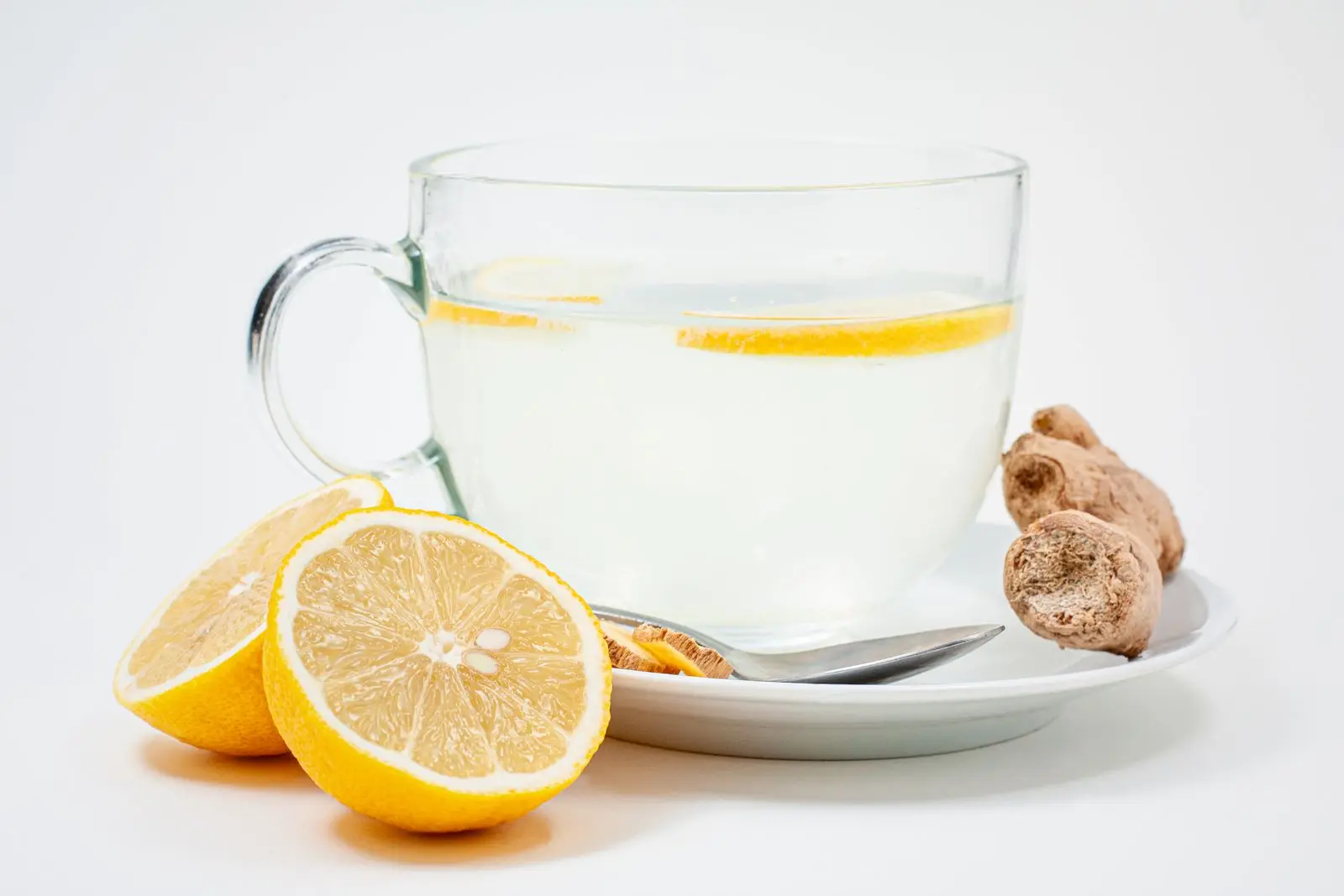
- Try ginger. Ginger tea, chews or biscuits help some people. The US NCCIH says ginger may help, though studies often tested supplements rather than food and some evidence is low quality. Ask your provider before taking ginger supplements.
- Avoid your triggers. Ask someone else to cook, open a window or use a fan.
What small options can you try?
Offer yourself several small options instead of one large plate, and test what stays down.
| When | Ideas |
|---|---|
| First thing | Dry toast, plain crackers, a few bites of banana |
| Between meals | Yogurt, fruit, a mild soup, ice chips |
| Meals | Porridge, rice, potato, pasta, toast with egg |
| Protein, when you can | Egg, tofu, beans or yogurt in small portions |
| Evenings | A small bowl of soup, plain noodles, a slice of toast with peanut butter |
Some people prefer cold foods, others like warm ones. Salty foods help some, and a sour taste such as lemon or a pickle helps others. The goal is to test what you can tolerate, and one meal that you keep down is a good result. Most people return to a wider diet as the weeks go on, and the foods to avoid guide lists the few foods to leave out as you do.
What if smells put you off?
A heightened sense of smell is part of the picture for many people. A few changes can help:
- Choose cold or room-temperature meals, which give off less odour than hot ones.
- Open a window, switch on the fan above the stove or ask someone else to cook.
- Use a microwave or a rice cooker, which keep cooking smells contained.
- Try a sip of lemon water or a mint to clear a bad taste.
- Rinse your mouth after you vomit to protect your teeth.
Food safety still matters, even when you do not feel like cooking. Keep leftovers cold and reheat them until steaming hot. A cooler meal is fine when the food has been stored safely.
How do you stay hydrated?
Fluids are more important than solid food when you feel very sick. Try small sips often, rather than a large glass at once.
- Ice chips, ice pops and frozen fruit can be easier to manage than liquids.
- Cold water with a slice of lemon, weak tea or diluted juice work for many people.
- Broth and soup count as fluids and add a little salt.
- Ask your pharmacist about oral rehydration sachets if you have been vomiting. Sports drinks, juice and coconut water do not match the balance of salts and sugar in a rehydration product, and a home-made salty mix is not a good idea.
What if your prenatal vitamin makes you feel sick?
Large tablets, strong smells and iron can worsen nausea. A few steps can help.
- Take the vitamin with food or at bedtime.
- Ask a pharmacist about a chewable or a lower-iron product.
- If you cannot take a full vitamin, folic acid on its own is better than none.
- Do not double the next dose after vomiting, and do not stop every supplement without asking.
The prenatal vitamin guide explains how to compare products, and the iron guide has food ideas that are gentle on the stomach.
Can medicines help?
Several national guidelines suggest vitamin B6, sometimes combined with an antihistamine such as doxylamine, as first-line treatment. What is available depends on where you live, so ask your provider or pharmacist before taking anything. A high-dose B-complex supplement is not the same thing and is not recommended. Check the vitamin B6 on every label, because a prenatal, a B-complex and a nausea product can add up. The European upper intake for adults, including in pregnancy, is 12 mg a day, and the US limit is 100 mg a day, so let your clinician set any dose. Cannabis, THC and CBD are not safe nausea remedies, and the US FDA advises against them in pregnancy.
Do not wait until you are miserable to ask. Treatment works best when it starts early, and many people with moderate sickness feel much better with the right medicine.
When is it more than morning sickness?
A small number of people develop hyperemesis gravidarum, a severe form of pregnancy sickness. It needs medical care, and it is not caused by anything you did. Treatment can include anti-sickness medicines, fluids by drip, nutrition support and sometimes a short hospital stay. Doctors may give thiamine (vitamin B1) to prevent deficiency, especially before sugar is added to a drip. Getting help early makes recovery easier.
If you have been unable to eat for a long time, your care team will bring food back gradually and monitor you. Restarting eating abruptly after days of very little intake can strain your body, so follow the plan you are given.
Contact your provider promptly if:
- You cannot keep any food or fluid down for 24 hours.
- You are vomiting many times a day.
- You pass only small amounts of urine, or it is dark.
- You feel dizzy, faint or weak when you stand.
- You are losing weight.
Looking after yourself
Nausea can affect your work, your mood and your relationships. Tell your employer or a trusted person what you need, and ask for support if you feel low or anxious. If you have diabetes or gestational diabetes and feel sick, ask your team how to balance small meals with your glucose plan, and do not cut out all carbohydrate.
Talk to your provider
Contact your provider the same day if you cannot keep any food or fluid down for 24 hours, you are very dizzy or faint, or you pass very little urine. Sickness that affects your mood or your ability to work also counts, so ask for support. This guide is general information and does not replace medical advice.
Frequently asked questions
When does morning sickness stop?
For many people it eases between weeks 12 and 16 and clears by weeks 16 to 20, according to the NHS. Some people feel sick for longer.
Is it okay to eat only bland food for a while?
Yes. A short period of limited variety is common. Return to a wider diet as your appetite allows, and ask your provider for advice if you are worried about your intake.
Does ginger work?
Ginger helps some people and is widely recommended. It is not a treatment for severe sickness.
Is it harmful to my baby if I cannot eat much?
Most babies grow well despite a few weeks of limited eating. The priority is to stay hydrated and to get treatment if your sickness is severe.
Why do I feel sick even though I have not eaten?
An empty stomach can make nausea worse. Keep a snack close and eat a little before you feel hungry.
Sources
Sources: NHS: Vomiting and morning sickness; NHS: 6 weeks pregnant; ACOG: Morning sickness; RCOG: Pregnancy sickness patient information; RCOG: Green-top Guideline 69 on hyperemesis gravidarum; NCCIH: Ginger; EFSA: Vitamin B6 upper intake level, 2023; NIH ODS: Vitamin B6; FDA: Cannabis, including CBD, when pregnant or breastfeeding; NHS: Common health problems in pregnancy; Government of Canada: Healthy pregnancy