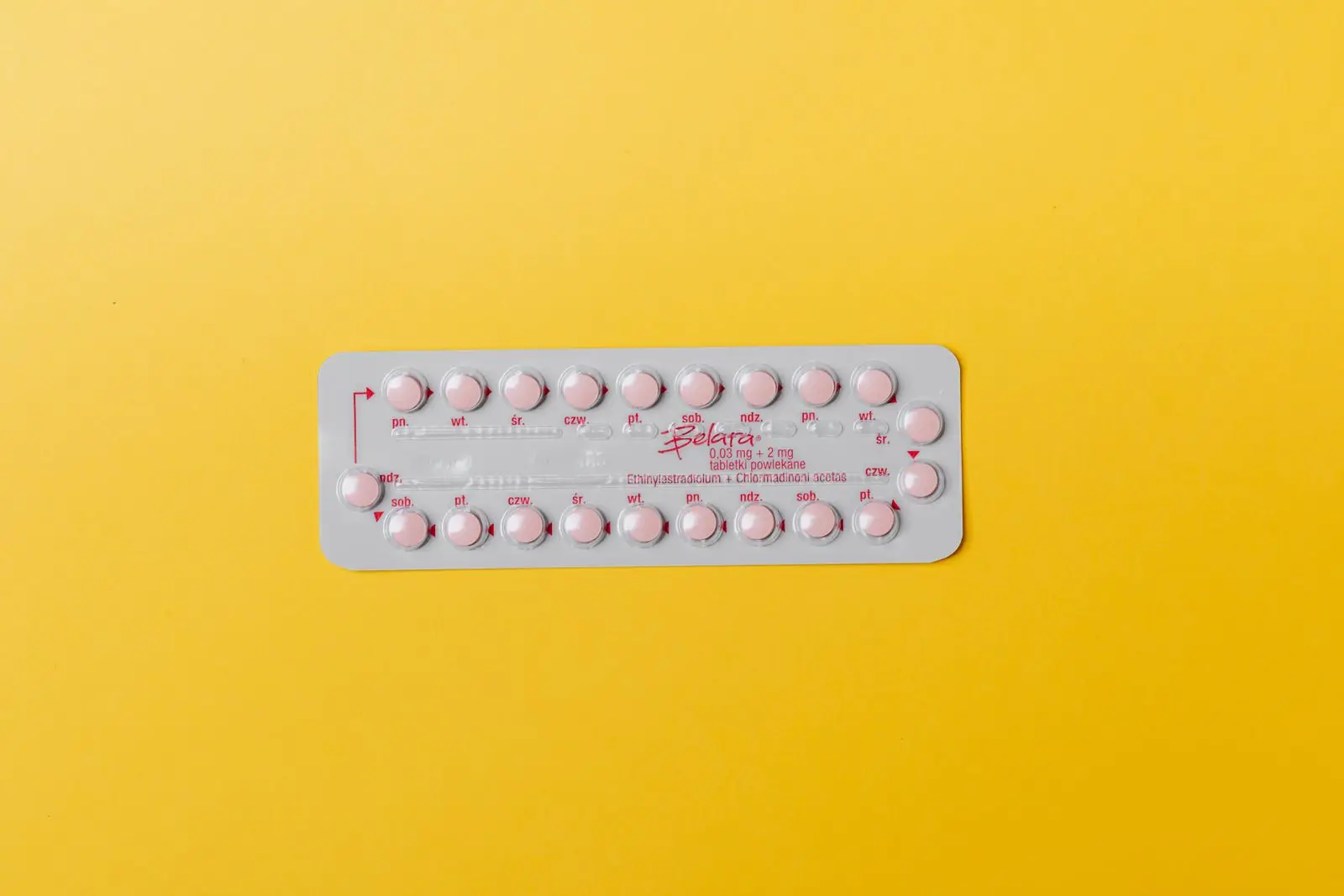
Folic acid is one of the few supplements with a clear, well-established job before pregnancy. It helps prevent neural tube defects, which are problems with the baby's brain and spine that form in the first weeks, often before a test turns positive.
This guide covers how much to take, when to start, how advice differs between countries and how to read the label.
Why does folic acid matter before you are pregnant?
The neural tube becomes the brain and spinal cord, and it closes by about week 6 of pregnancy. Counting from the first day of your last period, that is only a couple of weeks after a missed period. Many people have not taken a test by then, which is why the advice begins before you conceive.
Folic acid takes time to build up, so a few weeks of steady use before conception gives the best protection. If you are already pregnant and have not started, begin as soon as you can.
How much folic acid should you take?
Almost every national authority recommends 400 mcg a day for people at standard risk. The purpose is shared, and the timing and wording differ from country to country.
| Authority | Standard advice |
|---|---|
| World Health Organization | In pregnancy, 400 mcg of folic acid a day with 30 to 60 mg of elemental iron, to prevent maternal anemia |
| United States (USPSTF, CDC) | 400 to 800 mcg a day for anyone planning or capable of pregnancy, starting at least one month before conception and continuing through early pregnancy |
| Canada (Public Health Agency of Canada) | A daily multivitamin with 400 mcg (0.4 mg), ideally starting at least three months before conception and continuing through pregnancy and breastfeeding |
| United Kingdom (NHS and NICE) | 400 mcg a day before pregnancy and through the first 12 weeks |
| Ireland (HSE) | 400 mcg a day before and during pregnancy, with a dose review for some medical histories |
| Germany (BfR) | 400 mcg a day, starting at least four weeks before pregnancy and continuing through the first trimester |
| France (Ameli) | A consultation before pregnancy, with vitamin B9 (folic acid) prescribed |
| Italy (ISS) | At least 0.4 mg a day, from at least one month before conception through the first three months |
| Netherlands (Voedingscentrum) | 400 mcg a day while trying and through the first 10 weeks of pregnancy |
| Denmark | 400 mcg a day from the time you plan a pregnancy through the first 12 weeks |
| Norway (Helsenorge) | 400 mcg a day, ideally before conception, through week 12 |
| Sweden (Livsmedelsverket) | 400 mcg a day for anyone who may become pregnant in the next few months |
| Finland (Ruokavirasto) | Start about two months before a planned pregnancy and continue to the end of week 12 |
The shared message is to start before you conceive and keep going through the early weeks. Where the end date differs, follow your own country's advice, or your national health ministry if yours is not listed.
A 10-week or 12-week end date covers folic acid specifically. It does not mean you should stop every prenatal vitamin then. Your needs for iron, iodine, vitamin D and other nutrients continue, and the prenatal vitamin guide explains how to choose a product you can keep taking.
If your cycle is irregular or you are coming off birth control, start a daily vitamin as soon as you decide to try. The birth control guide explains how quickly fertility can return.
Do you need a higher dose?
Some people need more than 400 mcg, and a provider sets that dose. A higher dose may be advised if you:
- have diabetes,
- take medicine for epilepsy,
- have had a pregnancy affected by a neural tube defect, or have a close relative who has,
- have a condition that affects how you absorb nutrients, such as some bowel diseases or weight-loss surgery.
In the UK, this is usually a prescribed 5 mg tablet, and other countries, including Ireland and France, send these situations to a clinician and use their own protocols. Do not take more than 1 mg of folic acid a day without advice, and do not combine several multivitamins to reach a bigger number. A pharmacist can add up the totals.
Folate from food: what counts?
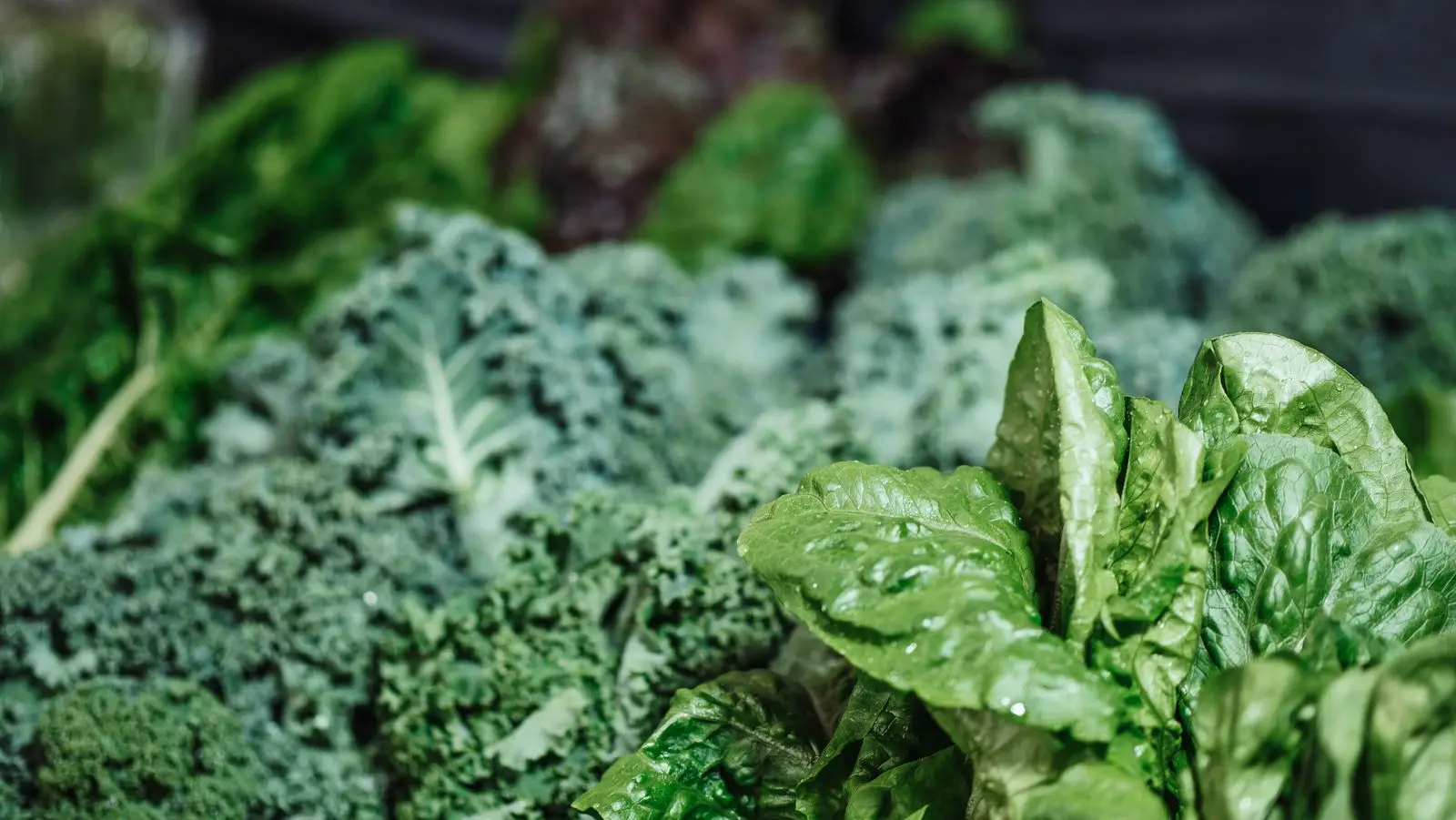
Folate is the natural form found in leafy greens, lentils, chickpeas, beans, asparagus, avocado and oranges. Many countries add folic acid to flour, pasta or cereal, so check the labels on staples you buy.
Food folate is good for you. Because the amount you absorb varies, advice is to take a folic acid supplement in addition to a varied diet. The recommended total folate intake in pregnancy, about 600 mcg of dietary folate equivalents in both the US and the European Food Safety Authority reference values, is a target for food and supplements combined. It is a different number from the 400 mcg supplement dose, so they are not meant to be added together.
How do you read the label?
- Look for "folic acid" in micrograms. A dose of 400 mcg or 0.4 mg is the standard amount. One milligram equals 1,000 micrograms.
- Do not add DFE and folic acid together. One mcg of dietary folate equivalents (DFE) equals 1 mcg of food folate or 0.6 mcg of folic acid taken with food, so one ingredient can show two numbers.
- Check your prenatal vitamin first. Most already contain folic acid, so a second folic acid pill usually creates a duplicate.
- Mind the full serving. Some brands split a day's dose across capsules.
- Know the upper limit. In the US, the safe upper limit for folic acid from supplements and fortified foods is 1,000 mcg a day for adults, unless a clinician directs a higher treatment dose.
What about MTHFR and methylfolate?
Some products promote "methylfolate" for people with common MTHFR gene variants. The CDC explains that people with common variants can process folic acid, and that 400 mcg raises blood folate whatever the genotype. Folic acid is the form shown in research to prevent neural tube defects.
A common MTHFR variant is not, by itself, a reason to avoid folic acid, and a higher price does not make a product more effective. If a doctor has told you about a specific concern, follow that advice. Otherwise a standard 400 mcg product remains a sound choice.
Does the partner need folic acid?
For conception, the research does not point to a need. In a large trial of couples seeking fertility treatment, men who took folic acid and zinc did not see better semen quality or more live births than men who took a placebo. A healthy diet and an assessment for any concerns do more than a tablet, and our male fertility guide covers what helps.
Your folic acid checklist
Talk to your provider
Speak with your provider if you have diabetes, a family history of neural tube defects, take medicine for epilepsy, have had a pregnancy affected by a neural tube defect or have a condition that affects how you absorb nutrients. They may recommend a higher dose. This guide is general information and does not replace medical advice.
Frequently asked questions
Can I get enough folate from food?
Food folate is healthy, but the amount you absorb varies, so the advice is to add a folic acid supplement.
Does folic acid help me get pregnant?
Folic acid helps prevent neural tube defects. It is not a fertility treatment and has not been shown to make conception faster. A 2023 evidence update for the US Preventive Services Task Force supports it for neural tube defect prevention and does not present it as an infertility therapy.
I did not take it before I got pregnant. Is it too late?
No. Start as soon as you can and let your provider know. Your baby still benefits from the days you take it.
How long should I keep taking it?
Guidance differs. The Netherlands advises folic acid through week 10, the UK, Denmark, Norway and Finland through week 12, Italy through the first three months, and Canada through pregnancy and breastfeeding. Your provider can confirm the plan, and a prenatal vitamin generally continues beyond the first trimester.
Sources
Sources: WHO: Daily iron and folic acid supplementation during pregnancy; USPSTF: Folic acid for the prevention of neural tube defects; USPSTF: Folic acid evidence summary, 2023; CDC: Folic acid clinical overview; CDC: MTHFR and folic acid; PHAC: Folic acid, healthy pregnancy and neural tube defect prevention; NHS: Vitamins, supplements and nutrition in pregnancy; HSE Ireland: Healthy eating during pregnancy; BfR Germany: Iodine, folic acid and pregnancy; Ameli France: Preparing for pregnancy; ISS Italy: Folic acid (EpiCentro); Voedingscentrum Netherlands: Supplements during pregnancy; Sundhedsstyrelsen Denmark: Nutrition and supplements in pregnancy; Helsenorge Norway: Dietary advice for pregnant women; Livsmedelsverket Sweden: Folic acid in pregnancy; Finnish Food Authority: Folate and folic acid; EFSA: Dietary reference values, summary report; NIH ODS: Folate; Schisterman et al., 2020: Folic acid and zinc supplementation in men