


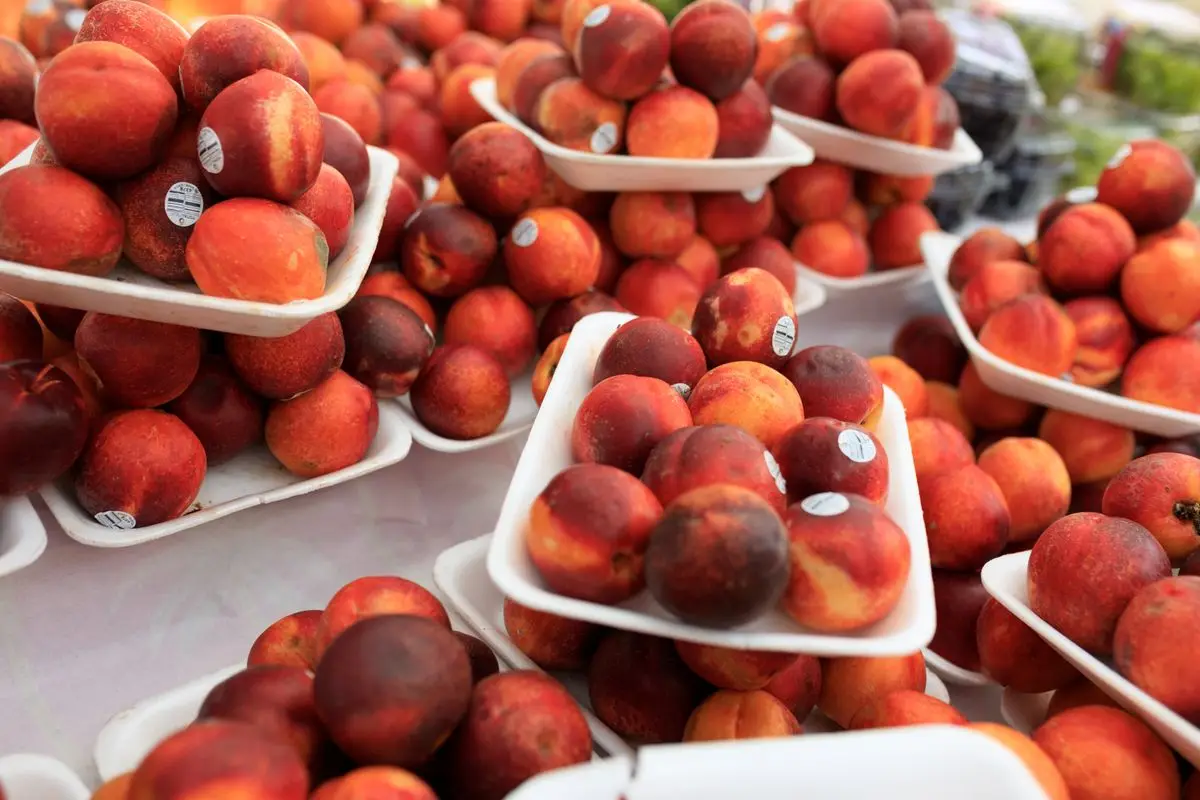
At 14 weeks pregnant, your baby is about 8.5 cm long, roughly the size of a peach, and can now make facial expressions. You are well into the second trimester, and appetite often returns with a vengeance.
This is a good week to look at how you are eating and how your weight is changing. The advice on "eating for two" and weight gain is often confusing or judgmental, so this guide sets out what the evidence says, and where it differs between countries.
Your baby this week
Your baby's face is becoming more expressive. Facial muscles are working, so your baby can squint, frown and grimace, although not on purpose. The neck is longer and better defined, and the head is more upright. Fine, downy hair called lanugo is beginning to cover the skin, and hair is appearing on the scalp and eyebrows.
The thyroid gland has started to work, and the liver and spleen are involved in making blood cells. The kidneys are producing urine, and your baby may suck a thumb. The roof of the mouth is forming.
How it happens. The muscles and nerves of the face are now connected. Your baby practises movements that will be useful for feeding and, later, communicating. This practice is automatic and has no meaning yet.
Your body this week
Your uterus is now about the size of a small melon, and it has risen out of the pelvis, so a bump may be visible. Blood volume is up, and your heart is pumping more blood per minute. Your appetite may be larger than before.
Weight gain begins to pick up. Most people gain slowly in the first trimester, and steadily from about week 14. Weight comes from your baby, the placenta, amniotic fluid, a larger uterus and breasts, extra blood and fluid, and some fat stores.
Common symptoms at 14 weeks
- A steady appetite. Nausea has usually faded, and hunger is normal.
- A visible bump. First pregnancies often show later than second or third pregnancies.
- Headaches. Mild ones are often linked to dehydration, tiredness or hunger.
- Skin changes. A glow, spots, a darker line down the belly or patches on the face can appear as hormones change.
- Heartburn. The growing uterus and relaxed muscles allow stomach acid to rise.
- Feeling warm. Your metabolism has increased, and you may feel hot more easily.
Do you need to eat for two?
No. Your baby is still small, and you do not need to double your food. The NHS says you do not need extra calories in the first six months, and about 200 extra calories a day in the last three months. Some other guidance gives higher figures. Ireland's HSE describes roughly 250 extra calories a day in the second trimester and up to 500 in the third, and a US example from ACOG is about 340 and 450 for someone starting at a healthy weight. These are planning estimates, not targets. This is why it is better to eat to appetite and focus on quality.
A useful approach is to build meals from these parts:
- Vegetables and fruit. Aim for a variety of colours through the day.
- Protein. Choose lean meat, fish, eggs, beans, lentils, tofu, nuts or dairy.
- Whole grains or starchy foods. Oats, brown rice, wholegrain bread, potatoes and pasta provide energy and fibre.
- Calcium-rich foods. Milk, yogurt, cheese, fortified plant drinks and calcium-set tofu support your baby's bones.
- Healthy fats. Nuts, seeds, olive oil and oily fish are good sources.
- Water. Aim to drink regularly through the day, and more in hot weather.
Oily fish such as salmon and sardines provide omega-3 fats. The UK advises up to two portions of oily fish a week, the US FDA and EPA advise 8 to 12 ounces (227 to 340 g) of lower-mercury fish a week, and Spain's food-safety agency advises avoiding swordfish, bluefin tuna, shark and pike. Follow your local advice.
If you are vegetarian or vegan, plan for vitamin B12, iron, iodine, calcium and DHA, and see the diet and supplements guide. If you have a food allergy or a medical condition such as diabetes, ask your provider for an individual plan.
How much weight is healthy to gain?
Recommended weight gain depends on your body mass index (BMI) before pregnancy. According to Mayo Clinic, for a single baby the typical total ranges are:
| Pre-pregnancy weight | Total gain in pregnancy |
|---|---|
| Underweight (BMI under 18.5) | 28 to 40 lb (13 to 18 kg) |
| Healthy weight (BMI 18.5 to 24.9) | 25 to 35 lb (11 to 16 kg) |
| Overweight (BMI 25 to 29.9) | 15 to 25 lb (7 to 11 kg) |
| Obesity (BMI 30 or higher) | 11 to 20 lb (5 to 9 kg) |
After the first trimester, a steady gain of about 1 lb (0.5 kg) a week is typical for someone starting at a healthy weight. The NHS notes that most people gain 10 to 12.5 kg (22 to 28 lb) overall. Twins, or a pregnancy with a medical condition, have different targets.
These are ranges, not goals to chase. Gaining more or less than average is common and not always a concern. Your provider may check your weight at visits, and a sudden jump over a few days, especially with swelling in the face or hands, needs a call.
If you are worried about your weight, or if thoughts about food and body image feel overwhelming, tell your provider. Support is available and you do not have to manage it alone.
Your week 14 checklist
Call your provider
Call your provider if you have a sudden weight gain with swelling in the face or hands, a severe headache, changes in vision, bleeding, or you cannot keep food down. Ask for help if you feel unable to eat enough because of money, access or worry about food. This guide is general information and does not replace medical advice.
Frequently asked questions
How much weight should I gain at 14 weeks pregnant?
Not much yet. If you started at a healthy weight, total gain by the end of the first trimester is usually about 0.5 to 1.8 kg (1 to 4 lb). From now on, about 0.5 kg (1 lb) a week is typical.
Do I need extra calories in the second trimester?
It depends on the guideline. The NHS says none until the last three months, and other sources suggest a few hundred, such as about 250 a day in Ireland's HSE guidance. Eat to appetite, and focus on nutrient-rich foods.
What should I eat during the second trimester?
Build meals around vegetables, fruit, protein, whole grains and calcium-rich foods, and drink water through the day. Follow local food safety advice.
Sources
Sources: NHS: 14 weeks pregnant; NHS: Have a healthy diet in pregnancy; Mayo Clinic: Pregnancy weight gain; ACOG: How much weight should I gain during pregnancy?; FDA and EPA: Advice about eating fish; Mayo Clinic: Fetal development, the second trimester; HSE Ireland: Healthy eating during pregnancy; AESAN Spain: Fish consumption and mercury recommendations