

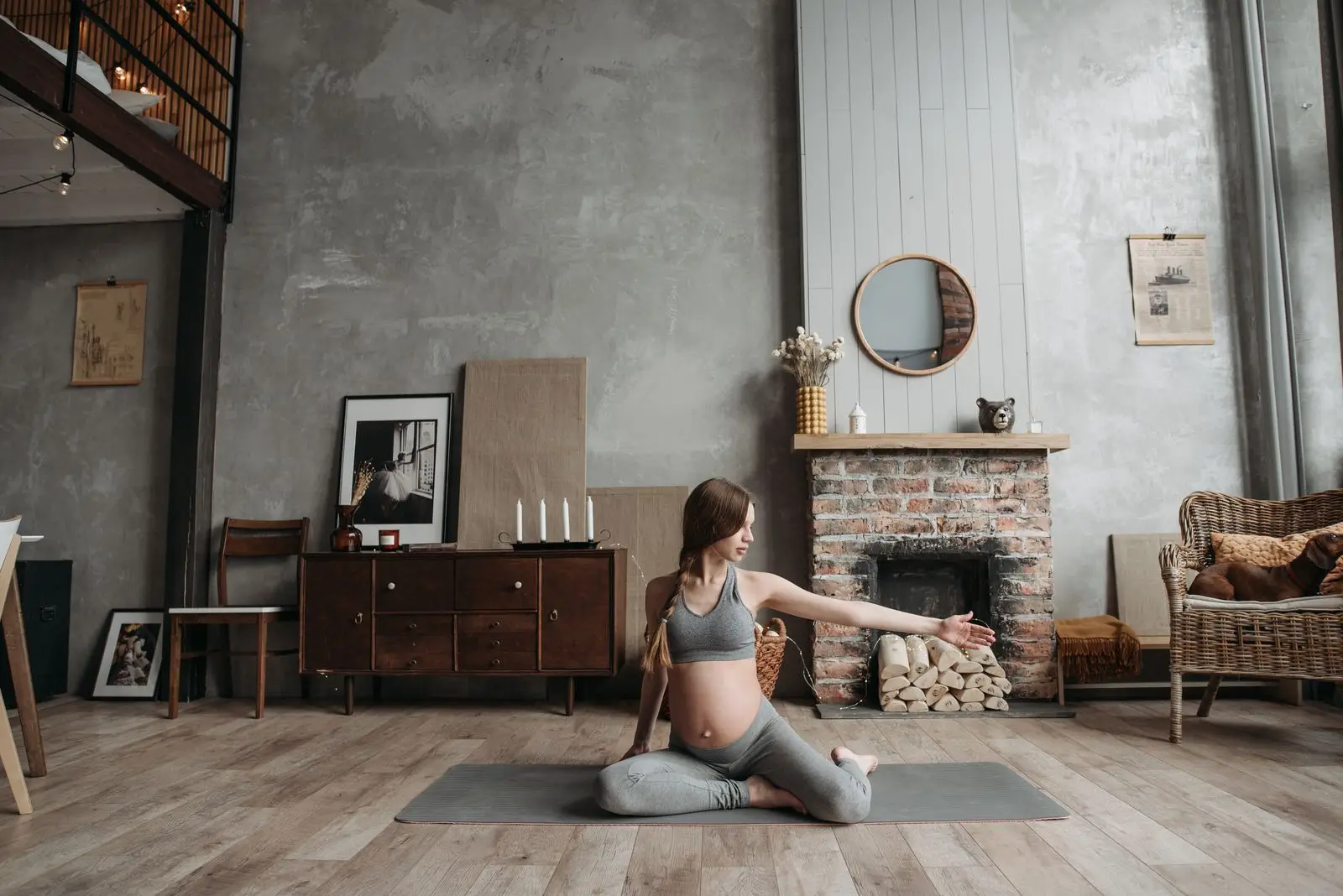

At 13 weeks pregnant, the second trimester begins. Your baby is about 7.4 cm long, roughly the size of a lemon, and is growing steadily. For many people, this is the start of a better stretch, with more energy and less nausea.
It is also a good time to build a routine of movement. This guide covers what kinds of exercise are safe, how much to do, what to avoid and the signs that mean you should stop.
Your baby this week
Your baby's body is starting to catch up with the head. The neck is longer, and the arms have reached their final proportion to the body. Fingerprints are forming on the fingertips, a pattern that will be unique to your baby. The vocal cords are developing, and the intestines have moved fully into the abdomen.
The pancreas, liver and kidneys are working. The placenta is now fully functional, and it supplies oxygen and nutrients and removes waste. Your baby is swallowing amniotic fluid and passing urine into it.
How it happens. The bones are hardening, a process called ossification. It starts in the skull and long bones. Your baby needs calcium, which comes from your diet and, if needed, from your own bones.
Your body this week
Many people notice a lift in energy and appetite. The nausea of the first trimester often fades, and some people feel like themselves again. Your uterus is rising above the pelvic bone, and a bump may begin to show, though the timing varies.
This is often called the honeymoon period of pregnancy. It does not happen for everyone. If you still feel unwell, tired or emotional, that is also common, and you do not need to push yourself.
Common symptoms at 13 weeks
- Returning energy. Tiredness often lifts as hormone levels settle.
- A bigger appetite. Hunger comes back, sometimes suddenly.
- A changing sex drive. Some people feel more interested, and others less. Both are normal. Unless your provider has advised otherwise, sex is safe in an uncomplicated pregnancy.
- More discharge. A thin, milky discharge is common. Itching, soreness or a strong smell may signal thrush or another infection, and your provider can treat it.
- Clothes feeling tight. You may need looser waistbands before you need maternity clothes.
- Lighter sleep. Hormones and comfort changes can affect sleep, so keep a wind-down routine.
Exercise in pregnancy: the basics
Regular activity in pregnancy is linked with better mood, sleep and fitness, and it can help with back pain and constipation. If your pregnancy is uncomplicated and your provider has not advised against it, keeping active is encouraged.
How much. The NHS suggests aiming for about 30 minutes of walking a day, and Canadian and World Health Organization guidance suggests at least 150 minutes of moderate activity a week. If you were inactive before, start with 10 minutes and build up.
How hard. Use the talk test. You should be able to speak in short sentences while you move. If you are too breathless to talk, slow down.
What counts. Walking, swimming, stationary cycling, low-impact aerobics, yoga and prenatal classes are all good options. Strength training with light to moderate weights is generally fine, and good form matters more than load. If you ran or lifted before pregnancy, many people continue with adjustments. Ask your provider what is appropriate for you.
Pelvic floor exercises. Squeeze and lift the muscles you would use to stop passing urine, hold for a few seconds, then release. Repeat several times, several times a day. Strong pelvic floor muscles help with bladder control during and after pregnancy.
What to avoid
- Contact and collision sports. Sports such as football, rugby, judo and martial arts carry a risk of a blow to the abdomen.
- Activities with a high risk of falling. Horse riding, skiing, gymnastics and mountain biking fall into this group.
- Scuba diving. The NHS advises against it, because your baby is not protected from pressure changes.
- Lying flat on your back for long periods after about 16 weeks. The weight of the uterus can press on blood vessels and make you feel faint. Use pillows to tilt yourself slightly to the side.
- Overheating. Avoid hot yoga, saunas and exercising in extreme heat. Drink water before, during and after.
- Exercise at high altitude if you are not used to it. Ask your provider.
When to stop and call your provider
Stop exercising and get advice if you have:
- Vaginal bleeding
- Regular, painful contractions
- Fluid leaking from the vagina
- Dizziness or feeling faint
- Chest pain
- Headache that is severe or does not ease
- Calf pain or swelling in one leg
- Breathlessness before you start exercising, or that does not ease with rest
Your week 13 checklist
Call your provider
Call your provider if you have bleeding, fluid leaking, severe pain, regular contractions, a severe headache or calf pain or swelling on one side. Call an emergency number for chest pain or difficulty breathing. This guide is general information and does not replace medical advice.
Frequently asked questions
Is it safe to exercise at 13 weeks pregnant?
For most people with an uncomplicated pregnancy, yes. Walking, swimming and gentle strength work are good choices. Check with your provider if you have a medical condition or a complication.
How much exercise should I do during pregnancy?
Aim for about 150 minutes of moderate activity a week, which is about 30 minutes on most days. If you are new to exercise, start small and build.
When should I stop exercising and call my provider?
If you have bleeding, fluid leaking, regular contractions, dizziness, chest pain, a severe headache or calf swelling, stop and call.
Sources
Sources: NHS: 13 weeks pregnant; NHS: Exercise in pregnancy; Mayo Clinic: Fetal development, the second trimester; Cleveland Clinic: Fetal development, week-by-week stages of pregnancy