Pregnancy makes it harder for your body to fight a few infections, and some of them can affect your baby. A short list of foods carries most of the risk, and the rest of your diet can stay varied and enjoyable.
This guide lists the main foods to avoid or handle with care, explains why and shows what to eat instead. Advice differs by country, so check local guidance for cheese, eggs, deli meat and raw fish.
What are the main risks?
Four things drive most of the advice. Listeria is a bacterium that can grow in some chilled foods and can lead to miscarriage or serious infection in the baby. Salmonella and other bacteria in raw eggs and poultry cause food poisoning. Toxoplasma, a parasite, lives in raw meat, unwashed produce and cat litter. Mercury builds up in some large fish and can affect a baby's developing nervous system.
Most people who eat a food on this list have no problem, and the chance of illness is small. The advice exists because a small chance carries a high cost, and avoiding the foods is simple.
Which foods should you avoid or handle carefully?
| Food or drink | Why it matters | What to do |
|---|---|---|
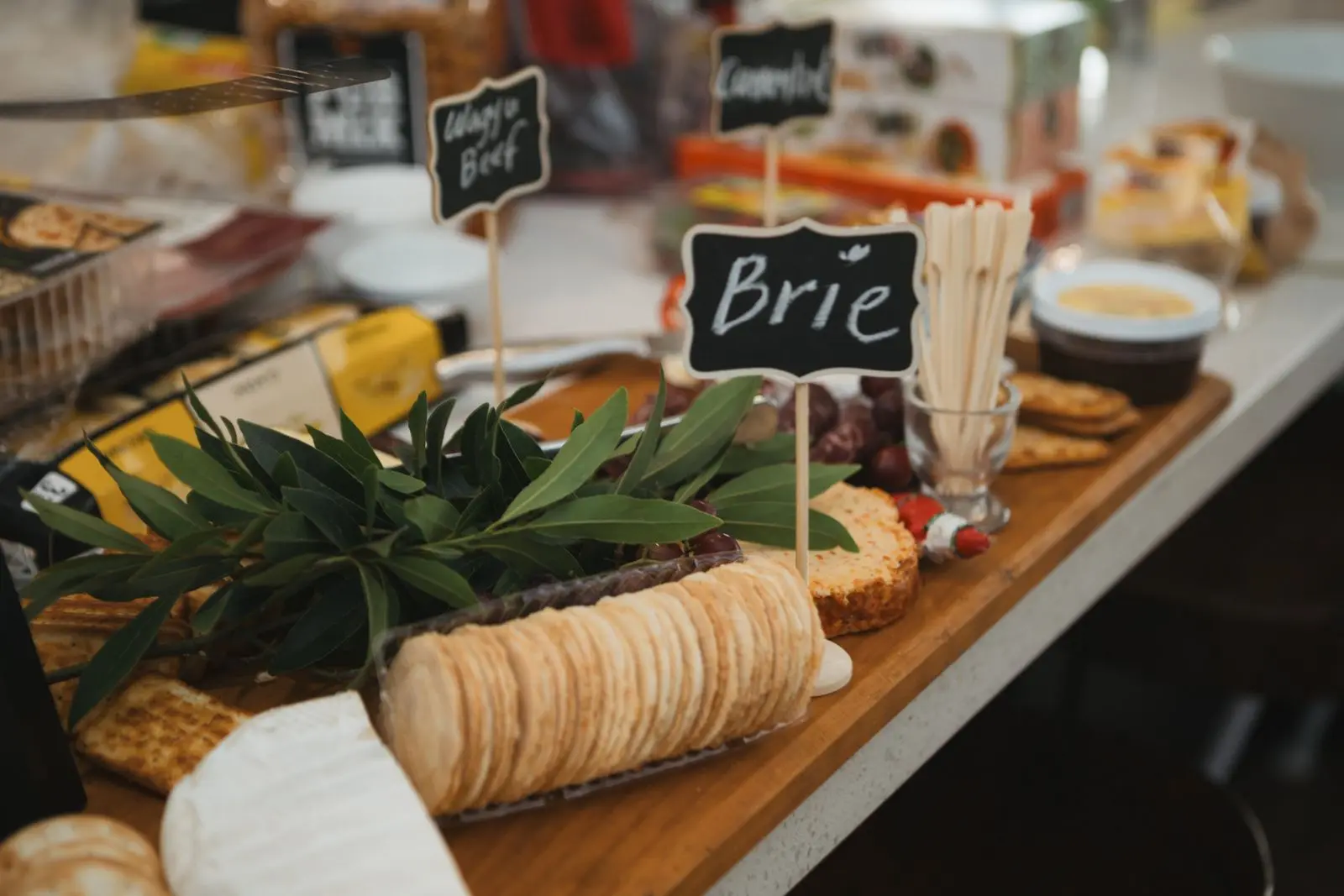
| Unpasteurized milk and cheese, mould-ripened soft cheese, blue cheese, pâté and smoked fish | Listeria can grow in some chilled foods and can lead to miscarriage or serious infection in the baby | The NHS says to avoid them unless cooked until steaming hot. Check local advice on pasteurized soft cheeses |
| Raw or undercooked eggs and poultry | Salmonella | Cook eggs until white and yolk are firm. Cook meat all the way through |
| Raw or undercooked meat, unwashed produce, cat litter | Toxoplasmosis | Cook meat thoroughly, wash produce and ask someone else to change a litter tray |
| Shark, swordfish, marlin and some tuna | Mercury | Avoid the high-mercury species and follow local portion advice for tuna |
| Liver, pâté and cod liver oil | High preformed vitamin A can harm a developing baby | Avoid unless a provider advises them |
| Raw shellfish and, in some places, raw fish | Food poisoning | Choose cooked options, and ask what applies where you live |
| Deli meats, hot dogs and ready-to-eat chilled foods | Listeria survives refrigeration | Heat until steaming hot, or choose a cooked alternative |
| Unpasteurized juice and raw sprouts | Bacteria | Choose pasteurized juice, and cook sprouts thoroughly |
| Alcohol | No known safe amount | Stopping completely is the safest choice |
Fish: eat it, and choose well
Fish is a valuable food, and avoiding all of it is not automatically safer. Choose lower-mercury species and follow your local advice, which varies.
- United States (FDA and EPA). 8 to 12 ounces (about 227 to 340 g) of a variety of lower-mercury fish each week, which is two to three servings of about 4 ounces.
- Canada (Health Canada). Lower-mercury choices include salmon, rainbow trout, herring and Atlantic mackerel. Fresh or frozen tuna, shark, swordfish, marlin, orange roughy and escolar are limited to 150 g in total per month. Canned albacore tuna has its own limit of up to 300 g per week.
- Spain (AESAN). Swordfish, bluefin tuna, shark and pike are advised against for pregnant people, those planning pregnancy and those breastfeeding, and lower- and medium-mercury fish should be varied. The advice names bluefin tuna, not every tuna product.
A common fish name can mean different species in different places. If you eat locally caught fish, check your area's advisories. If you do not eat fish, ask a dietitian about other sources of omega-3, and read the omega-3 guide for how to choose a supplement.
What are good kitchen habits?
Safe handling reduces risk more than any list.
- Wash your hands, and wash fruit and vegetables with safe water.
- Keep raw meat apart from ready-to-eat food, and use separate chopping boards.
- Keep the fridge cold, and do not eat leftovers that have been out for hours.
- Use pasteurized dairy or suitable alternatives.
- Cook animal foods thoroughly, and reheat leftovers until steaming hot. Use a food thermometer and your official guidance, because one temperature does not suit every meat and leftover.
- Wear gloves for gardening and ask someone else to clean the litter tray.
Eating out and ordering in follow the same rules. Choose dishes that are cooked to order and served hot, and skip anything that has sat out on a buffet. A vitamin, probiotic or "immune booster" cannot make a risky food safe.
What can you eat instead?
You will rarely feel you are missing out. Try these swaps:
| Instead of | Try |
|---|---|
| Runny or soft-boiled eggs | Hard-boiled or fully cooked eggs |
| Blue cheese or brie | Hard cheese, or a pasteurized soft cheese such as cream cheese or mozzarella |
| Sushi with raw fish | Cooked or vegetable rolls |
| Deli sandwich | Freshly cooked chicken or a sandwich with hummus and vegetables |
| Pâté | Hummus or a bean dip |
| Swordfish steak | Salmon or trout |
| Rare steak | Steak cooked until no pink remains |
Caffeine, cannabis and other limits
Caffeine crosses the placenta, and your baby cannot break it down easily. The NHS advises no more than 200 mg a day, and Health Canada sets a limit of 300 mg. Count all sources. Our caffeine guide shows how much is in common drinks. The US FDA advises against cannabis, THC and CBD in pregnancy and while breastfeeding, and a CBD oil or edible sold as a wellness product is not a proven safe remedy.
Where does advice differ by country?
Local rules on eggs, soft cheese, smoked fish and deli meat can differ because production controls and risk assessments differ. For example, some countries treat eggs from a certified safe supply chain as low risk, and others advise avoiding runny eggs altogether. When you read advice from another country, check that it applies where you live, and use your own health authority as the final word.
Myths to drop
Some advice you may hear has no basis in the evidence. There is no need to avoid peanuts or other foods you tolerate to prevent allergies in your baby, and normal servings of common fruits do not cause miscarriage. Social media lists of "miscarriage foods" rely on stories, and a claim about one fruit or spice should be checked against a health authority. If a claim worries you, ask your provider.
What if you ate something on the list?
Take a breath. One slip is very unlikely to cause harm. Watch for a fever, flu-like symptoms, vomiting or stomach illness over the next few weeks, because listeria can take time to show. Contact your provider if any of those appear, and mention what you ate. If you have no symptoms, no special test is needed.
Your food safety checklist
Talk to your provider
Speak with your provider if you have a fever, flu-like symptoms or severe stomach upset after eating a food on the avoid list, or if you have vomiting or diarrhea that will not settle. This guide is general information and does not replace medical advice.
Frequently asked questions
Can I eat soft cheese?
Pasteurized soft cheeses such as cream cheese and mozzarella are generally considered safe, and mould-ripened and blue cheeses are advised against unless cooked until steaming hot. Rules differ by country.
Is sushi safe?
Raw fish is treated differently in different countries. Many providers advise cooked or vegetarian options, and your provider can tell you what applies where you live.
I ate something on the list. Should I worry?
Most people who do this have no problem, and the risk is small. Contact your provider if you develop a fever, flu-like symptoms or stomach illness.
Can I drink coffee?
Yes, within a limit. See the caffeine guide for amounts.
Do I need to follow these rules while I am only trying to conceive?
The food-safety habits are worth building before a positive test, because infections matter most in early pregnancy. Alcohol, liver and high-mercury fish are worth avoiding from the time you start trying.
Sources
Sources: NHS: Foods to avoid in pregnancy; FDA and EPA: Advice about eating fish; FDA: Food safety for pregnant women and their unborn babies; FDA: Meat, poultry and seafood, food safety for moms-to-be; FDA: Eating out and bringing in, food safety for moms-to-be; FDA: Ready-to-eat foods, food safety for moms-to-be; FDA: Cannabis, including CBD, when pregnant or breastfeeding; AESAN Spain: Fish consumption and mercury recommendations; Health Canada: Mercury in fish; Government of Canada: Healthy pregnancy; NHS: 7 weeks pregnant