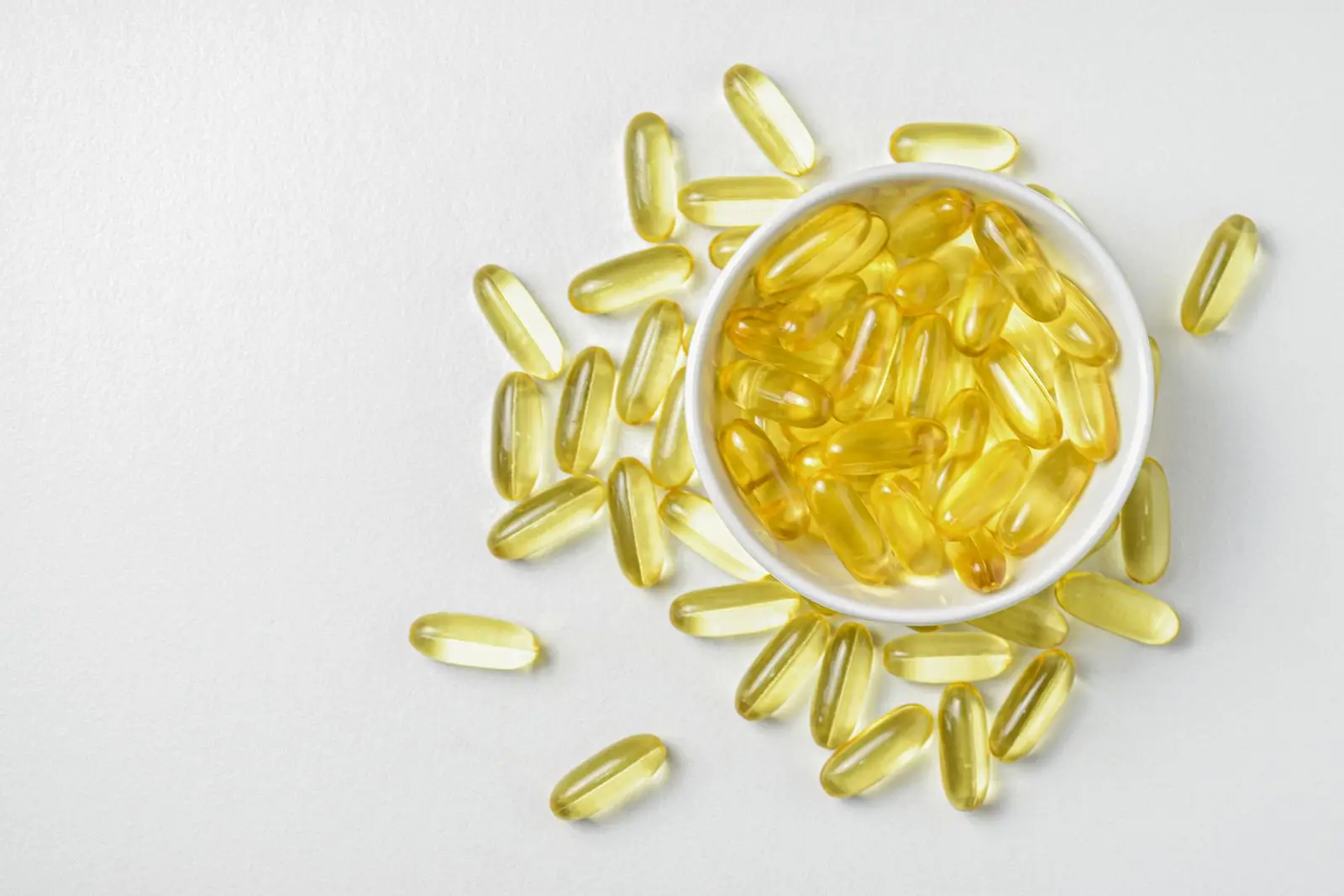
Omega-3 fats, especially DHA, are found in oily fish and algae. They are part of the nutrition story in pregnancy, and the research on supplements is more mixed than product labels suggest.
This guide explains what omega-3 does, what the studies found, how to get it from food and what to check on a supplement.
What does omega-3 do?
DHA and EPA are long-chain omega-3 fats. DHA is a building block of the brain and eyes. Your body makes only small amounts, so you get most from food, mainly oily fish, or from algae-based supplements.
Plants such as flaxseed, chia and walnuts contain a different omega-3 called ALA. Your body converts only a small share of ALA into DHA, so these foods are healthy, and they are not a stand-in for fish or algae oil when the goal is DHA.
What did the research find?
- A pooled review. The 2018 Cochrane review found that increasing long-chain omega-3 intake during pregnancy reduced preterm birth in the combined evidence. The studies differed in population, dose and baseline intake, so it does not show one best product for everyone.
- A later trial. The ORIP trial gave 900 mg of long-chain omega-3 daily from before 20 weeks until 34 weeks or delivery. Early preterm birth occurred in 2.2% of the supplement group and 2.0% of the control group, which was not a significant difference. This is why a review's average and a later trial can disagree.
- Planning pregnancy. One observational study of 900 women aged 30 to 44 linked omega-3 supplement use with higher monthly chances of conceiving, with an adjusted ratio of 1.51. People who choose supplements often differ in other habits, so the study cannot show that the supplement caused the difference.
- Seafood and couples. A study of couples planning pregnancy linked eating seafood with conception and with how often couples had sex. The two are tangled together, so the findings do not support eating high-mercury fish.
Studies have not established a cognitive benefit for children from omega-3 supplements in pregnancy, so treat any claim like that with caution. A product that promises a "smarter baby" says more than the evidence does.
How do you get omega-3 from food?
Eating fish is a sensible first step. Salmon, rainbow trout, herring and Atlantic mackerel are lower in mercury, and sardines are another good pick. Canned fish counts, and it costs less than fresh.
- United States. The FDA and EPA suggest 8 to 12 ounces (about 227 to 340 g) of a variety of lower-mercury fish each week, which is two to three servings of about 4 ounces.
- Canada. Health Canada lists those lower-mercury species and limits fresh or frozen tuna, shark, swordfish, marlin, orange roughy and escolar to 150 g per month in total.
- Spain. The food-safety agency AESAN advises avoiding swordfish, bluefin tuna, shark and pike, and varying lower- and medium-mercury fish.
A fish name can refer to different species in different places, so check your own country's list. Fish provides more than DHA, and a capsule cannot be assumed to match its nutrients or the evidence for eating it. See the foods to avoid guide for more on fish and mercury, and always cook fish thoroughly or choose a safe pre-cooked option.
If you do not eat fish, algae-based DHA is an option for vegetarian and vegan diets. The best foods guide has meal ideas that include fish and plant proteins.
How do you read a supplement label?
- Find DHA and EPA in milligrams. These matter more than the total weight of fish oil. A capsule marked "1,000 mg fish oil" can contain well under half of that as DHA and EPA.
- Check the source. Fish oil and algal oil are both used. Algal DHA suits people who avoid fish.
- Look at the full daily serving. Some products need two or three capsules.
- Avoid cod liver oil. It contains high preformed vitamin A.
- Check what your prenatal vitamin already contains. Some include DHA, and a second product may add little.
- Look for third-party testing. A quality certificate can help confirm what is in the bottle. It does not show that the product works.
- Store it properly. Keep capsules cool, and throw out any that smell strongly rancid.
What about fishy burps and other side effects?
Some people notice a fishy aftertaste or reflux. Taking the capsule with a meal, freezing it, or switching brands often helps. If a supplement worsens nausea, the nausea guide has ideas for the early weeks, and you can stop and ask your provider.
Is a higher dose better?
No. A large trial using 900 mg a day did not show a significant difference in early preterm birth, so more is not necessarily better. Doses in pregnancy products vary widely, and your provider or pharmacist can help you pick an amount that matches your diet.
Supplements to treat with care
Other products sold for fertility or pregnancy, such as CoQ10, antioxidant blends, melatonin, NAC and "hormone balance" mixes, do not have a routine place in pregnancy. Evidence is limited, and safety in pregnancy is often unknown. Ask a pharmacist or your provider before taking one.
Your omega-3 checklist
Talk to your provider
Speak with your provider or a pharmacist if you take blood-thinning medicine, have a fish or shellfish allergy, follow a vegan diet or are thinking about a supplement for any reason. This guide is general information and does not replace medical advice.
Frequently asked questions
Do I need an omega-3 supplement?
Not always. Eating lower-mercury fish gives you omega-3, and your provider can advise whether a supplement suits you.
Is a higher dose better?
No. A large trial using 900 mg a day did not show a significant difference in early preterm birth, so more is not necessarily better.
Is algae DHA as good as fish oil?
Algal oil is a source of DHA that suits people who avoid fish. Check the amounts on the label.
Can flaxseed replace fish?
Flaxseed holds ALA, and your body converts only a small share to DHA. Use it as a healthy food, and look to fish or algal oil for DHA.
Will omega-3 help me get pregnant?
One observational study linked supplement use with a higher chance of conceiving, and a study like that cannot prove cause. No trial has shown that omega-3 shortens the time to pregnancy.
Sources
Sources: NIH ODS: Dietary supplements in pregnancy; FDA and EPA: Advice about eating fish; Health Canada: Mercury in fish; AESAN Spain: Fish consumption and mercury recommendations; Stanhiser et al., 2022: Omega-3 supplement use and fecundability; Gaskins et al., 2018: Seafood intake and fecundability in couples; Cochrane, 2018: Omega-3 fatty acid addition during pregnancy; Makrides et al., 2019: The ORIP trial