No single food will make you pregnant, and a varied, nutritious diet is still a good foundation while you try. Eating well supports your general health, gives you energy for the weeks ahead and prepares your body for pregnancy.
This guide describes an eating pattern that works on any budget, shows what the research says about fertility diets and gives a simple one-day example you can adapt to the foods you already enjoy.
Is there a fertility diet?
The American Society for Reproductive Medicine finds insufficient evidence that a particular diet improves natural fertility. Some studies link a Mediterranean-style eating pattern with better fertility results. A 2023 review found only 11 eligible studies out of 15,396 records, with different definitions of the diet and some positive results coming from assisted reproduction. A separate review of cohort studies judged the evidence too weak to guide treatment.
In plain terms, eating well is good for you, and no menu has been proven to shorten the time it takes to conceive. A food that fits your budget, tastes good and suits your body is a better pick than a famous "fertility food". Fertility depends on ovulation, sperm health, open tubes and a healthy uterus, and a meal cannot fix a blocked tube or a low sperm count. If you have been trying for a while, see the guide on how long conception takes for when to ask for tests.
What does a balanced plate look like?
Food guides from Canada, the Nordic countries and the Mediterranean region describe a similar pattern, and it suits many people.
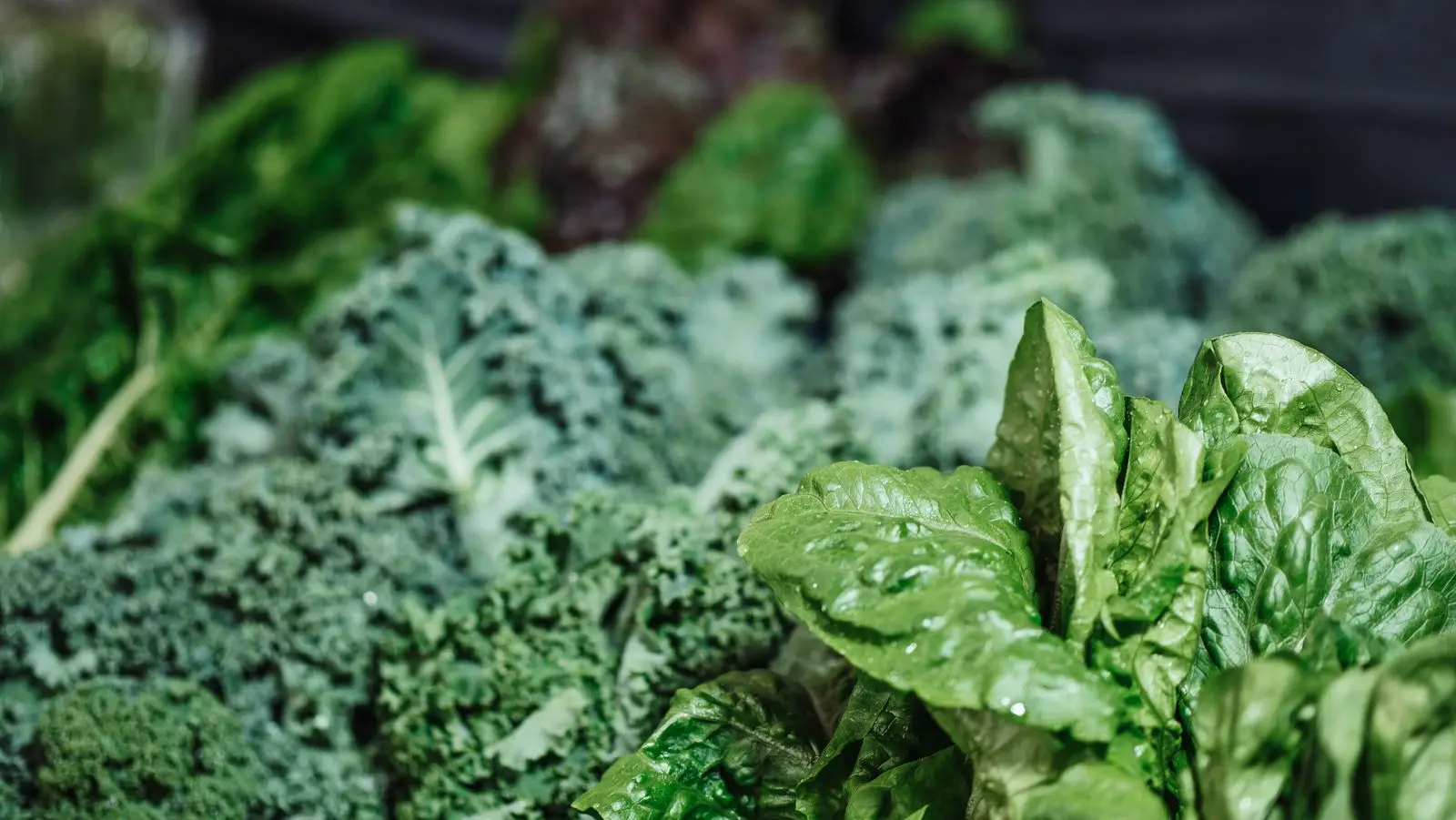
- Vegetables and fruit. Fresh, frozen or canned all count. Aim for a mix of colours.
- Whole grains. Oats, brown rice, whole grain bread, or the staple grains that are familiar where you live, such as millet, maize or barley.
- Protein foods. Beans, lentils, tofu, eggs, fish, poultry or lean meat.
- Dairy or fortified alternatives. These add calcium and other nutrients.
- Water as your main drink.
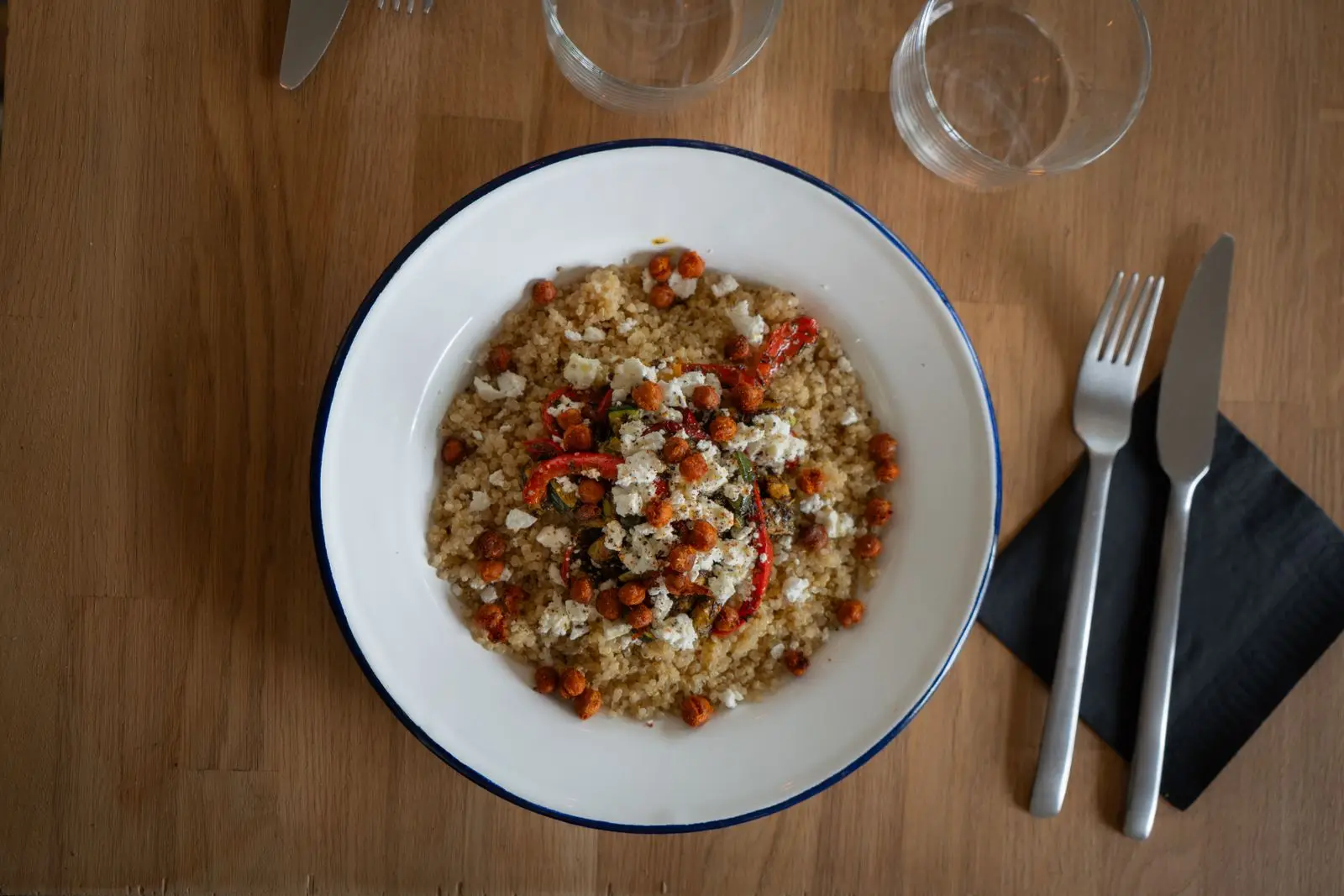
Build meals from components: an energy source such as a grain or potato, a protein food, vegetables or fruit and a source of healthy fat such as olive oil, nuts or avocado. Use foods you know and enjoy, and adapt them to your budget, allergies and traditions. A bowl of rice, lentils and cooked greens is as good a starting point as a salad from a magazine. A Nordic-style plate can use oats, rye, pulses, berries and suitable fish, and a Mediterranean-style plate can use local vegetables, pulses, grains, seeds and oils. Neither needs imported ingredients.
A simple one-day example
This is an illustration. Swap in foods that suit you.
| Meal | Idea |
|---|---|
| Breakfast | Oatmeal with berries, nuts and milk or a fortified alternative |
| Lunch | Lentil soup with whole grain bread and a side of vegetables |
| Snack | Yogurt with fruit, or hummus with vegetable sticks |
| Dinner | A rice bowl with tofu, beans, chicken or fish and mixed vegetables |
More easy ideas: scrambled eggs on toast with tomatoes, a chickpea and vegetable stew over couscous, or cooked salmon with sweet potato and green beans.
Which nutrients are worth building meals around?
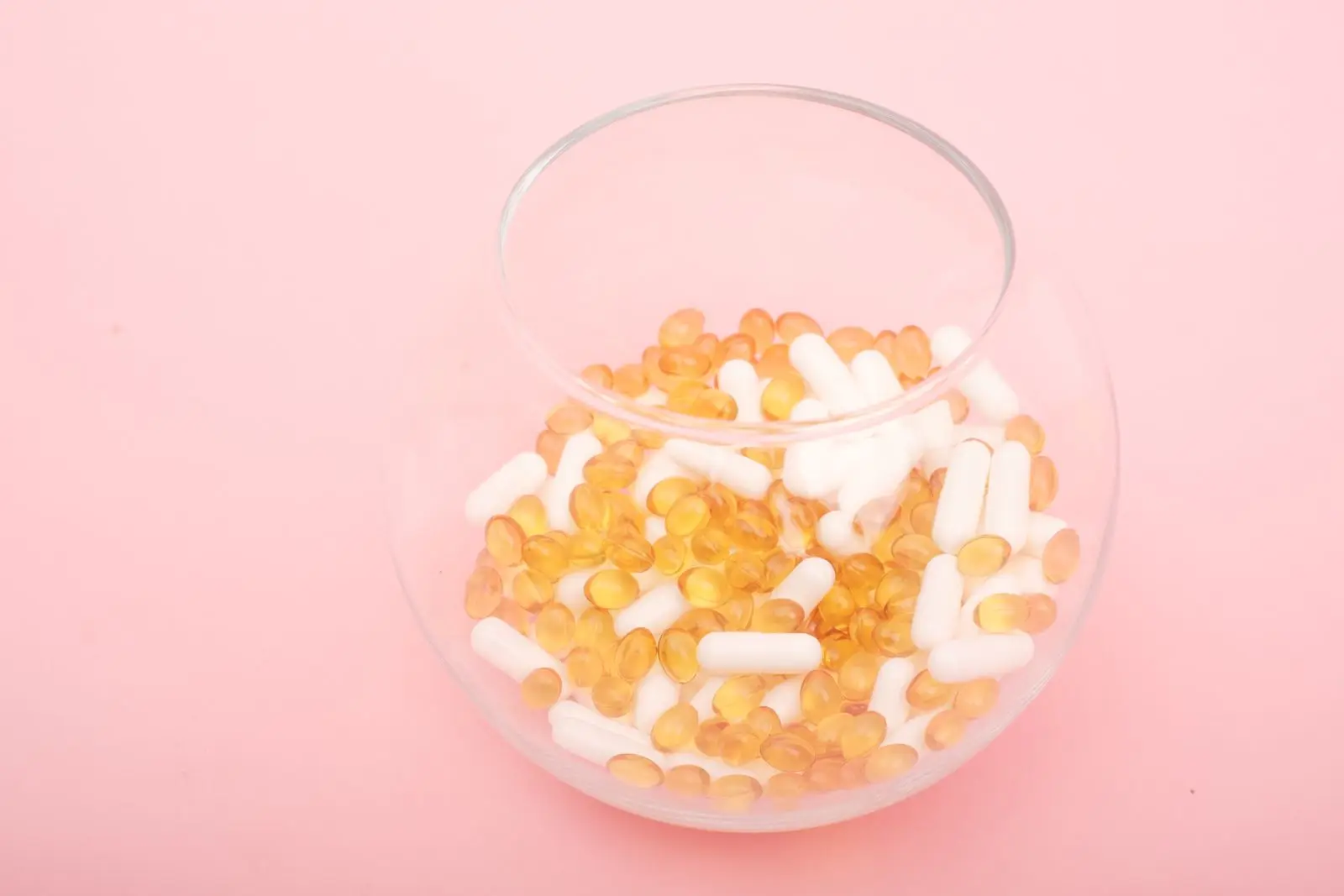
Your meals can cover most nutrients, and a daily prenatal vitamin fills the rest. Here are the ones that come up most often:
| Nutrient | Everyday food sources |
|---|---|
| Folate | Lentils, beans, leafy greens, asparagus, fortified grains |
| Iron | Beans, lentils, fortified cereal, cooked meat, tofu |
| Iodine | Iodized salt, dairy, eggs, fish (availability varies by country) |
| Choline | Eggs, meat, fish, soybeans |
| Vitamin B12 | Animal foods and reliably fortified foods |
| Calcium | Dairy, calcium-fortified drinks, calcium-set tofu, some leafy greens |
| Omega-3 | Salmon, sardines, trout, herring, and other oily fish |
Pairing a plant source of iron, such as lentils, with a vitamin C food, such as tomatoes or peppers, helps you absorb more of it. The iron guide goes deeper. Folic acid needs its own plan, because food alone is not enough, and the folic acid guide explains why.
Should you cut sugary drinks?
One large study of people planning pregnancy found that higher intake of sugar-sweetened drinks was linked with lower odds of conceiving each month. This kind of study cannot show that cutting a drink solves a fertility problem. Choosing water more often is still a sensible nutrition choice, and swapping one soda or juice a day for sparkling water or tea is an easy start.
Fish, mercury and food safety
Fish provides valuable nutrients, and advice on species and amounts depends on where you live. Health Canada lists salmon, rainbow trout, herring and Atlantic mackerel among lower-mercury choices and limits fresh or frozen tuna, shark, swordfish, marlin, orange roughy and escolar to 150 g a month for people who are or may become pregnant. Spain's food-safety agency advises avoiding swordfish, bluefin tuna, shark and pike. Check your own country's guidance, and ask about local advisories if you catch fish yourself.
Once pregnancy is possible, food-safety habits matter, including cooking meat and eggs thoroughly and avoiding unpasteurized dairy. Our foods to avoid guide covers them.
Weight, exercise and fertility
Health and weight can matter for conception, and weight loss is not a guaranteed fertility treatment. In one randomized trial of 379 women with obesity and unexplained infertility, intensive weight loss before fertility treatment did not produce a significantly different rate of healthy live births compared with a weight-neutral exercise program. Look after your health in a way you can keep up, and do not wait to lose weight before asking for fertility care.
What about superfoods, detoxes and special diets?
You will see plenty of promises online. Here is where the evidence sits:
- Superfoods and powders. No specific food or powder has been shown to treat infertility.
- Detoxes and cleanses. There is no convincing evidence that they remove toxins, and restrictive plans can cause harm through dehydration or low energy.
- Gluten-free, keto or carnivore plans. A gluten-free diet is treatment for coeliac disease, and none of these has an established role in fertility. Very low-carbohydrate diets are not advised in pregnancy, so talk to your provider about a gentle transition if you follow one.
- Vegetarian and vegan diets. These can work well with planning. Vitamin B12, iron, iodine, calcium and DHA need attention. Germany's nutrition society updated its position in 2024 and makes no clear recommendation for or against vegan pregnancy because evidence is limited, and Ireland's HSE gives practical vegan and vegetarian guidance. Both point to careful planning with a registered dietitian.
If food is hard to afford or you have a medical need
Frozen vegetables, canned beans and fish, eggs, oats and lentils are inexpensive and nutritious. Where food is scarce, the WHO recommends balanced energy and protein supplements for undernourished pregnant people, and getting enough safe food matters more than choosing the "best" foods. If you have a restricted diet, bowel disease or any complex dietary need, a registered dietitian can help more than a general guide.
Your partner's eating counts too. Sharing meals and making changes as a team turns a long wait into something you do side by side.
Your eating checklist
Talk to your provider
Speak with your provider or a registered dietitian if you follow a restricted diet, have a digestive condition, have had bariatric surgery or have struggled with disordered eating. This guide is general information and does not replace medical advice.
Frequently asked questions
Is there a fertility diet?
No diet has been proven to improve natural fertility. A varied, nutritious diet supports general health and preparation for pregnancy.
Do I need a fertility supplement?
Folic acid is advised before pregnancy. For other fertility supplements, research has not shown a reliable benefit, and a pharmacist can review any product you are considering.
Should I avoid soy, dairy or gluten?
There is no general reason to avoid them while trying to conceive. Avoid a food only if you have an allergy, intolerance or medical condition.
Does eating more help if I am underweight?
Eating enough supports regular ovulation. If your periods are irregular or absent, speak to your provider about cause and care.
Sources
Sources: ASRM: Optimizing natural fertility; Can dietary patterns impact fertility outcomes? A systematic review and meta-analysis; Muffone et al., 2023: Mediterranean diet and infertility; Hatch et al., 2018: Intake of sugar-sweetened beverages and fecundability; Legro et al., 2022: The FIT-PLESE trial; Nordic Council of Ministers: Nordic Nutrition Recommendations 2023; Canada's Food Guide; HSE Ireland: Vegetarian and vegan diets in pregnancy; DGE Germany: Updated position on vegan diets, 2024; WHO: Balanced energy and protein supplementation during pregnancy; Health Canada: Mercury in fish; AESAN Spain: Fish consumption and mercury recommendations; NCCIH: Detoxes and cleanses