You do not have to give up coffee while you try to conceive. Official limits exist, and they are easy to follow once you know how much caffeine is in your usual drinks.
This guide gives the limits from different countries, the amounts in common drinks, the hidden sources of caffeine and practical ways to cut back if you want to.
How much caffeine is OK?
Countries and organizations give different numbers. Name the source when you compare them, and choose the lower figure if you are unsure.
| Source | Limit | Applies to |
|---|---|---|
| Health Canada | 300 mg a day | People planning pregnancy, pregnant or breastfeeding |
| NHS (UK) | 200 mg a day | Pregnancy |
| ACOG (US) | Less than 200 mg a day | Pregnancy |
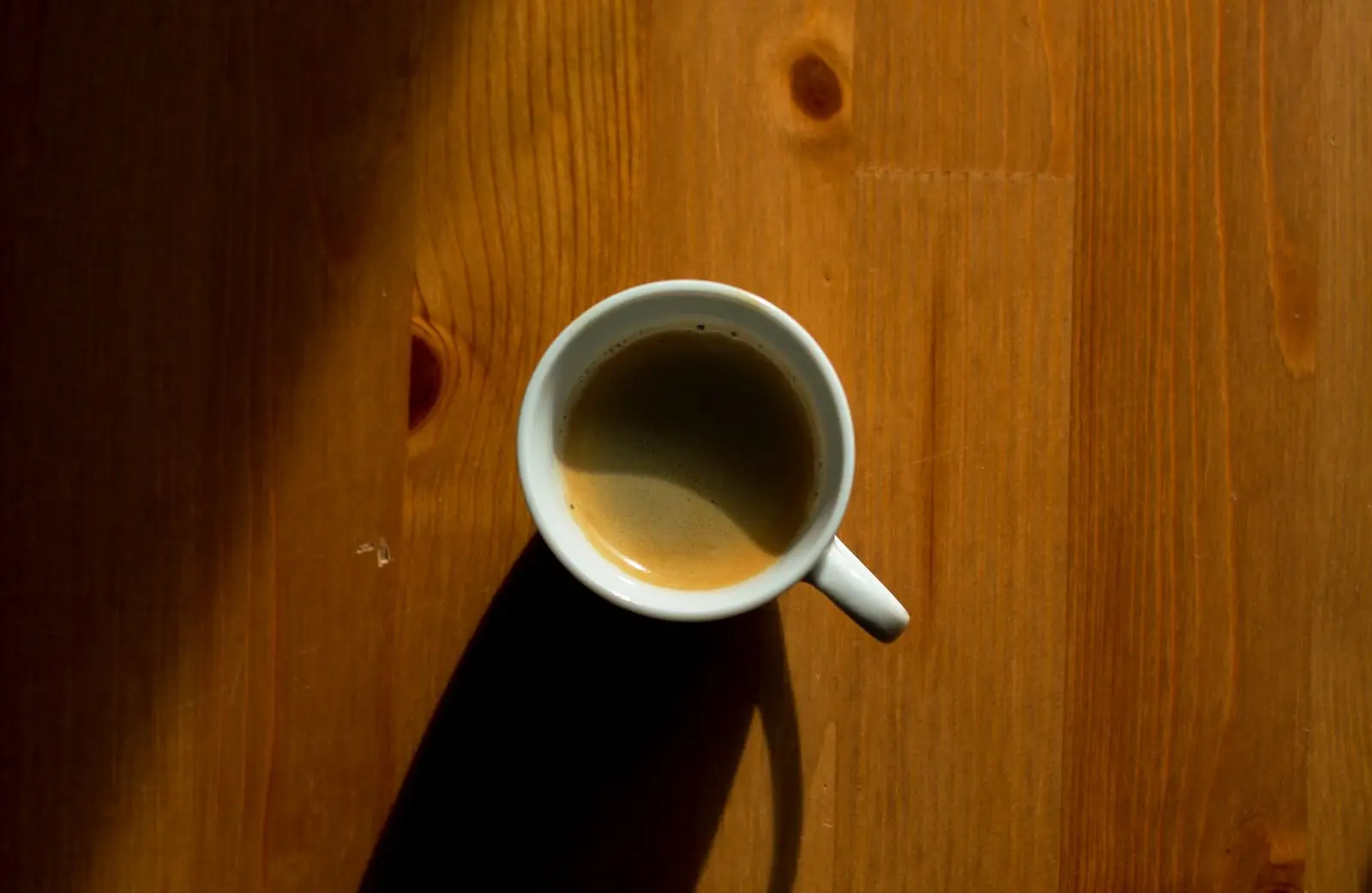
Other countries publish their own limits, so check the one for yours. Health Canada's 300 mg is roughly two 8 oz (237 mL) cups of brewed coffee. The NHS limit of 200 mg is about two mugs of instant coffee. Either way, you can keep a morning coffee. The aim is to keep the day's total under the ceiling you choose.
Does caffeine make it harder to get pregnant?
Research on caffeine and the chance of conceiving is mixed, and nothing shows that dropping your morning cup speeds things up. The limits for people planning pregnancy exist to protect a pregnancy that may already have begun, because many people do not know they are pregnant for the first few weeks.
Caffeine crosses the placenta, and your baby cannot break it down easily. High intake in pregnancy has been linked with a higher risk of miscarriage and lower birth weight. Keeping to a limit before a positive test means you do not need to change your habits in a rush later.
How much is in your drink?
As a rough guide, the NHS lists:
| Drink or food | Approximate caffeine |
|---|---|
| Mug of instant coffee | 100 mg |
| Mug of filter coffee | 140 mg |
| Mug of tea | 75 mg |
| Can of cola | 40 mg |
| Can of energy drink | 80 mg |
| 50 g bar of plain chocolate | 25 mg |
Specialty coffees vary a lot and are often stronger than a home mug, and a large takeaway cup can hold two servings. Energy drinks and some herbal products can contain more, so read the label. Because amounts differ by brand, preparation and cup size, treat these numbers as estimates.
Where else does caffeine hide?
Count every source across the day:
- Tea and matcha. Green tea and matcha contain caffeine, and strong black tea contains more than a weak bag.
- Chocolate and cocoa. Dark chocolate holds more than milk chocolate.
- Soft drinks and energy drinks. Some sodas, sports drinks and "wellness" waters contain caffeine, guarana or yerba mate.
- Medicines. Some cold, flu and headache products include caffeine, so check the box.
- Decaf. Decaf coffee still has a small amount. Count it if you drink a lot.
Easy ways to cut back
- Switch one cup. Replace your second coffee with decaf or tea.
- Make smaller cups. A large takeaway coffee can hold much more than a standard mug.
- Taper over a week or two. Reducing slowly eases headaches and tiredness. Cutting out caffeine in one day can bring on a headache that lasts a few days.
- Try other warm drinks. Herbal teas are a pleasant swap. Check ingredients, because some herbal products are not advised in pregnancy.
- Drink water first. Having a glass before your coffee can reduce how much you want.
- Shift your timing. Having caffeine before noon protects your sleep, and good sleep helps you cope with the long wait to conceive.
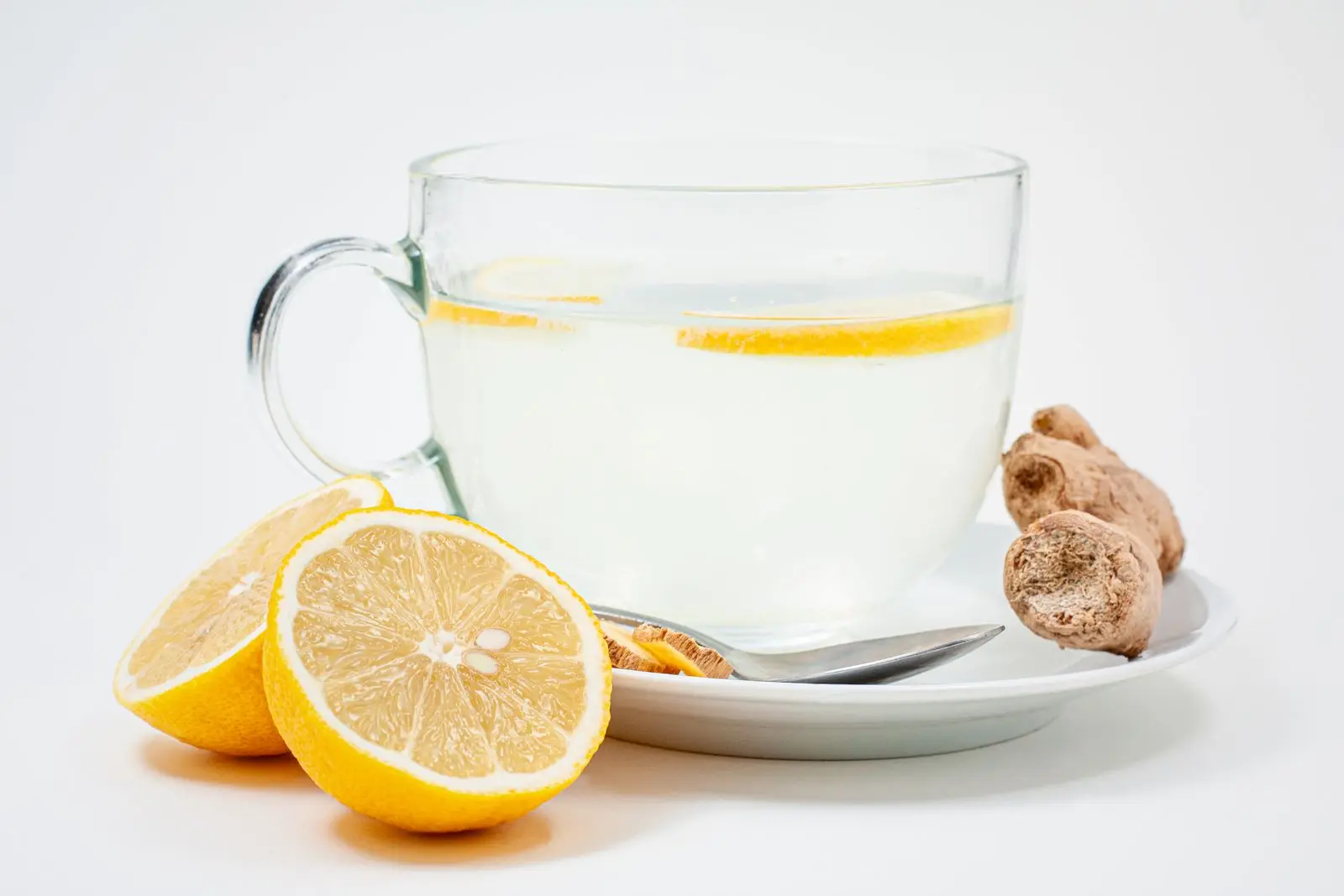
- Make a ritual of it. If you love the habit more than the buzz, a warm cup of decaf or hot water with lemon can fill the same gap.
What about sugary drinks?
One study of people planning pregnancy found that higher sugar-sweetened drink intake was linked with lower odds of conceiving each month. This research followed thousands of people and is observational, so it cannot prove that cutting a drink treats infertility. Water more often, and the occasional sweet drink as a treat, is a sensible choice either way. The best foods guide has more ideas for everyday eating.
And alcohol?
Avoiding alcohol while you are trying to conceive keeps your baby from being exposed before you know you are pregnant. If this feels hard, or you are worried about what you drank before you knew, your provider can offer support without judgment. The foods to avoid guide covers alcohol in pregnancy.
Your caffeine checklist
Talk to your provider
Speak with your provider if you drink more than the limit and find it hard to cut back, or if you have heart palpitations, severe headaches or trouble sleeping that may be linked to caffeine. This guide is general information and does not replace medical advice.
Frequently asked questions
Does caffeine make it harder to get pregnant?
The limits for people planning pregnancy exist to protect a pregnancy that may already have begun. Neither limit is a target for improving fertility, and staying under it is a sensible habit.
Is decaf coffee safe?
Decaf still has a small amount of caffeine. Count it if you drink a lot.
What about energy drinks?
They can contain a lot of caffeine and other ingredients. Check the label, and choose water or a lower-caffeine option while you try to conceive.
Can my partner drink coffee?
Yes. The limits are for the person who may be pregnant. A partner can follow general healthy habits, and our male fertility guide covers the lifestyle changes that matter most.
Do I need to stop caffeine as soon as I get a positive test?
Many people keep to a limit and do not need to stop completely. Choose the limit that applies where you live, and ask your provider if you are unsure.
Sources
Sources: Health Canada: Caffeine in foods; ACOG: Having a baby; NHS: Foods to avoid in pregnancy; Hatch et al., 2018: Intake of sugar-sweetened beverages and fecundability; PHAC: Healthy pregnancy guide