

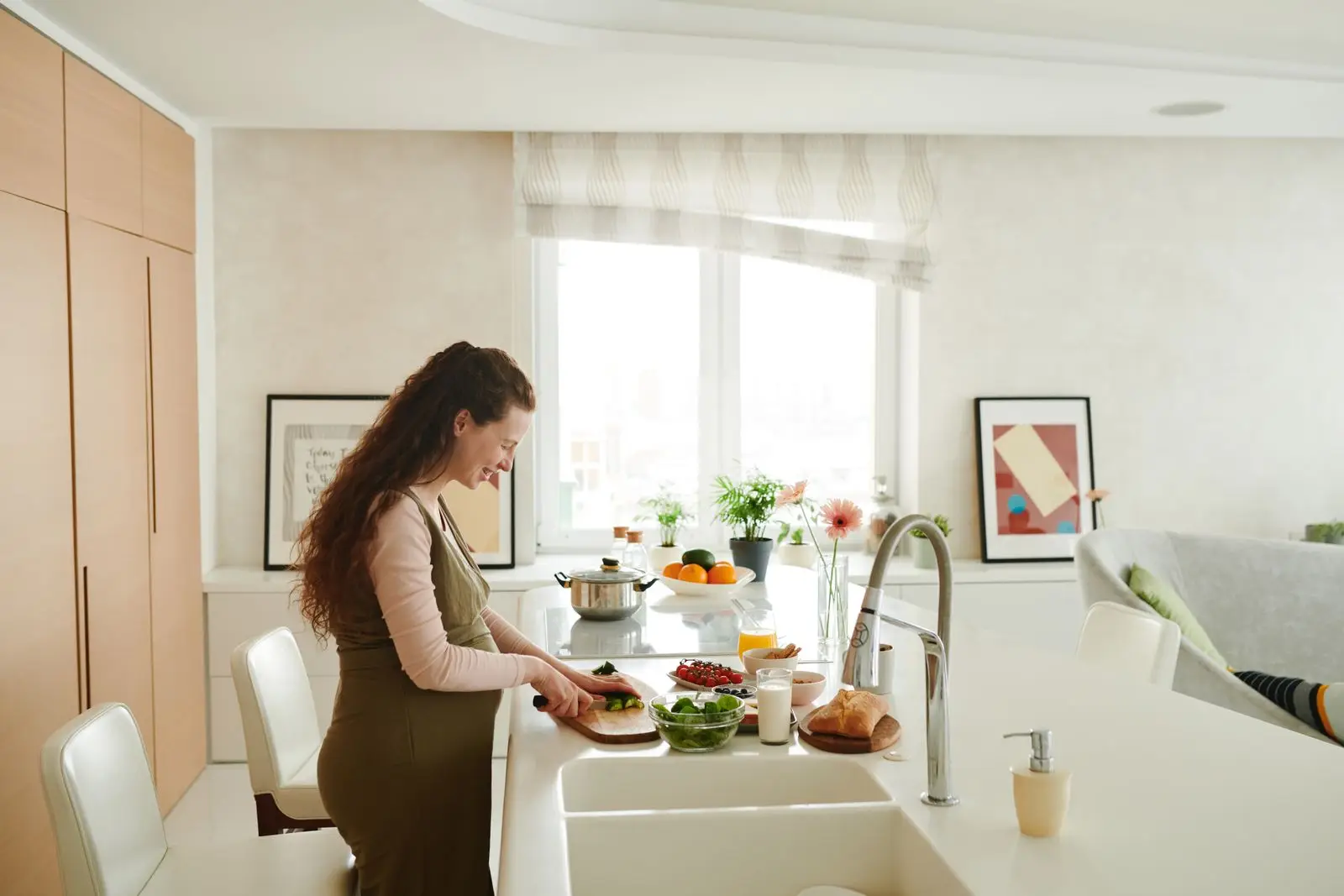
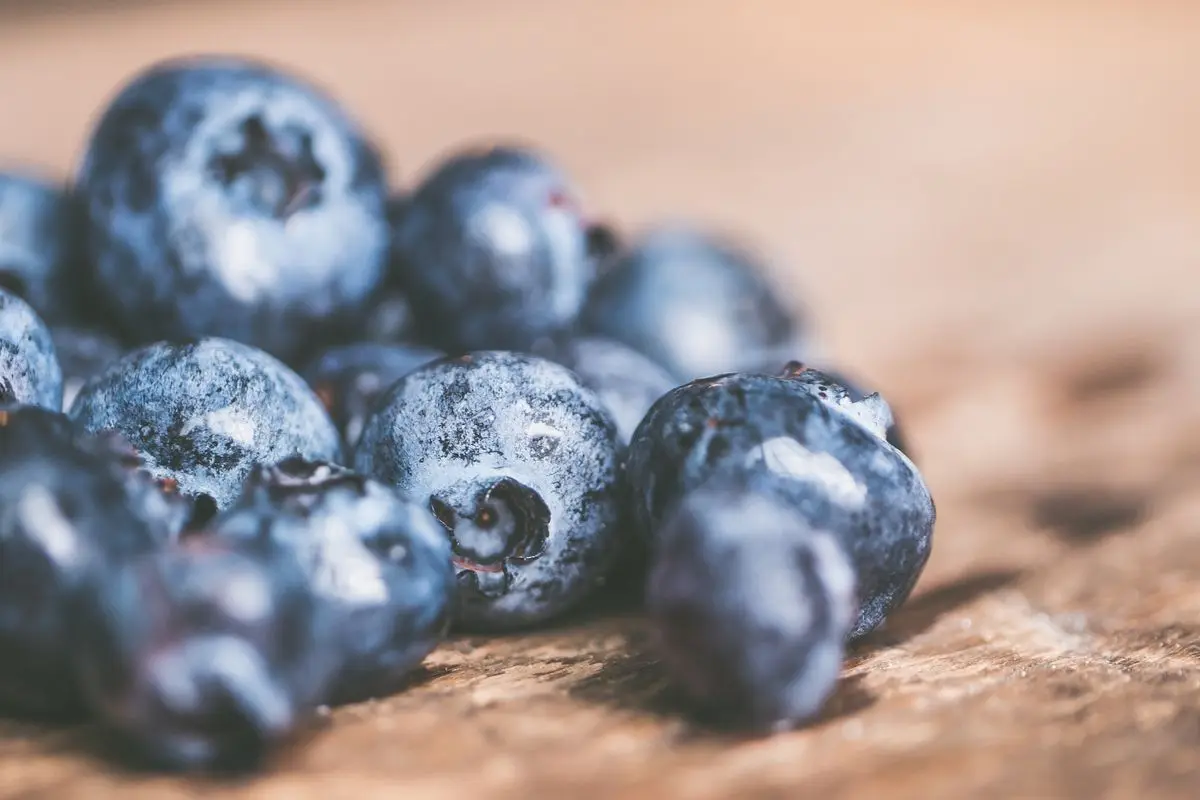
At 7 weeks pregnant, your baby is about 1 cm long, roughly the size of a blueberry, and the face is beginning to take shape. Your appetite may be unpredictable, and it is a good week to learn which foods to avoid and why.
Food safety advice can feel long and confusing. Below is a clear summary of what matters, the reasons behind each rule and where advice differs between countries.
Your baby this week
The brain is growing rapidly and is dividing into sections that will control thinking, movement and the senses. The face is starting to form. The eyes have a faint colour where the lens will grow, and small openings mark the nostrils. Tiny dimples are the start of the ears.
The arm and leg buds are getting longer and are flat at the end, like small paddles. Soon ridges will appear where the fingers and toes will form. The umbilical cord is forming, and it carries blood between the placenta and your baby.
How it happens. Every organ starts as a group of cells that receives chemical signals telling it where to go and what to become. These signals are sensitive to some infections, chemicals and high doses of vitamin A, which is why early pregnancy has more food and medicine advice than later stages.
Your body this week
Your blood volume is rising, and your heart is beating a little faster to move it. You may feel warm, flushed, dizzy on standing or a bit breathless on stairs. These changes are part of adapting to pregnancy.
The cervix builds a plug of thick mucus that seals the opening of the uterus. It comes away weeks later, close to labour. Your uterus is now about the size of an orange, although you still may not show.
Sickness and food aversions may make eating hard. If you are eating little, aim for what you can manage. Small bland meals and fluids are better than nothing, and appetite usually recovers.
Common symptoms at 7 weeks
- Increased discharge. A thin, milky and mild-smelling discharge is common. A strong smell, itching or a green or grey colour means you should see your provider.
- Light-headedness. Blood pressure can dip early in pregnancy. Sit down when you feel it, and stand up slowly.
- Skin changes. Some people get spots, and others notice a glow. Hormones change oil production.
- Gas and bloating. Slower digestion is behind both.
- Mood swings. Big hormone shifts plus tiredness make emotions harder to predict.
- Aching breasts. Estrogen and progesterone are still active, and the discomfort usually settles in a few weeks.
Food safety in pregnancy: what to avoid and why
Pregnancy makes it harder for your body to fight some infections, and a few of them can affect your baby. These are the main risks.
Listeria. This bacterium can cause an illness with flu-like symptoms, and in pregnancy it can lead to miscarriage or serious infection in the baby. It grows in some chilled foods, including unpasteurized milk and soft cheeses made from it, mould-ripened soft cheeses such as brie and camembert, blue cheeses, pâté and smoked fish. The NHS says to avoid these unless they are cooked until steaming hot. Pasteurized soft cheeses such as cream cheese and mozzarella are generally considered safe, but check local guidance because it differs by country.
Salmonella. This is found in raw and undercooked eggs and poultry. Cook eggs until the white and yolk are firm, and cook meat all the way through. Some countries treat eggs from certified safe supply chains as low risk (in the UK, the British Lion mark). Where that assurance does not exist, avoid runny eggs.
Toxoplasmosis. This parasite is found in raw or undercooked meat, unwashed fruit and vegetables, and cat litter. Cook meat thoroughly, wash produce, and avoid cured meats that are eaten uncooked, such as salami and prosciutto, unless they are cooked or have been frozen. Wear gloves for gardening, and ask someone else to change a cat litter tray.
Mercury. Large predatory fish, including shark, swordfish and marlin, can contain high levels of mercury. The NHS says to avoid them, and Spain's food-safety agency names swordfish, bluefin tuna, shark and pike. The US FDA and EPA advise choosing lower-mercury fish, two to three servings a week. Limit tuna, and check your national guidance, because one common fish name can mean different species in different places.
Vitamin A. High doses can harm a developing baby. Avoid liver and liver products such as pâté, and do not take supplements that contain vitamin A (retinol), including cod liver oil, unless your provider recommends it. Regular prenatal vitamins are formulated to be safe.
Raw shellfish and fish. Raw shellfish carries a risk of food poisoning. Raw fish such as sushi is treated differently in different countries. The NHS says that raw fish is safe if it has been frozen first, but many providers advise cooked or vegetarian options. Ask your provider what applies where you live.
Alcohol. There is no known safe amount in pregnancy. Stopping completely is the safest choice.
Good kitchen habits help with all of this. Wash your hands, wash fruit and vegetables, keep raw meat away from ready-to-eat food, keep the fridge cold, and do not eat leftovers that have been out for hours. A vitamin, probiotic or "immune booster" cannot make a risky food safe.
How much caffeine is safe?
Caffeine crosses the placenta, and your baby cannot break it down easily. High intake has been linked with a higher risk of miscarriage and lower birth weight. Guidance sets a daily limit:
- NHS (UK): no more than 200 mg a day.
- ACOG (US): less than 200 mg a day.
- Health Canada: up to 300 mg a day.
As a rough guide, the NHS lists about 100 mg in a mug of instant coffee, about 75 mg in a mug of tea and about 40 mg in a can of cola. Filter and specialty coffees vary and are often stronger. Energy drinks and some herbal products can contain more, so read the label. If in doubt, choose the lower limit.
Eating well when you feel unwell
You do not need extra calories in the first trimester, and healthy weight gain is small. Focus on the quality of what you eat when you can: protein, whole grains, fruit, vegetables and dairy or alternatives. Take a prenatal vitamin with folic acid, and read the diet and supplements guide for more detail.
Your week 7 checklist
Call your provider
Call your provider if you have a fever, flu-like symptoms, vomiting or diarrhea after eating, or bleeding or severe pain. In pregnancy, a fever that follows a food you suspect may need prompt testing. This guide is general information and does not replace medical advice.
Frequently asked questions
What foods should I avoid at 7 weeks pregnant?
Avoid unpasteurized dairy, mould-ripened and blue cheeses unless cooked, pâté, liver, raw or undercooked meat and eggs, high-mercury fish and alcohol. Check local guidance for details.
How much coffee can I drink when pregnant?
The NHS limit is 200 mg of caffeine a day, ACOG advises less than 200 mg, and Health Canada's limit is up to 300 mg. That is roughly two mugs of instant coffee at 200 mg. Count tea, cola, chocolate and energy drinks too.
Is it safe to eat sushi or soft cheese while pregnant?
It depends on the type and where you live. Pasteurized soft cheeses are generally considered safe, while mould-ripened and blue cheeses should be cooked. Guidance on raw fish differs by country, so ask your provider.
Sources
Sources: NHS: 7 weeks pregnant; NHS: Foods to avoid in pregnancy; Mayo Clinic: Fetal development, the first trimester; Cleveland Clinic: Fetal development, week-by-week stages of pregnancy; FDA and EPA: Advice about eating fish; FDA: Food safety for pregnant women and their unborn babies; AESAN Spain: Fish consumption and mercury recommendations