


At 26 weeks pregnant, your baby is about 35.6 cm long, roughly the size of a cucumber, and weighs about 2 lb (900 g). Between weeks 24 and 28, many people are offered a test for gestational diabetes, and this is often the week it happens.
If you have heard stories about the sugary drink or long waits, this guide will help you know what to expect, who is tested, and what the results mean.
Your baby this week
Your baby's eyelids are beginning to open, and the eyes are forming their final structure. Your baby can now blink, and may react to bright light shining on your belly. The brain is developing rapidly, and the brain waves that mark waking and sleeping are becoming more organized.
The lungs are producing more surfactant, and the branches of the airways are growing. Your baby continues to add fat under the skin. The hands can grasp, and your baby may suck a thumb, which is practice for feeding.
How it happens. Sugar in your blood crosses the placenta, but insulin does not. Your baby's pancreas makes its own insulin. If your blood sugar is high, your baby receives more sugar than needed, makes more insulin and stores it as fat, and this is why untreated gestational diabetes can lead to a larger baby.
Your body this week
Your uterus is about 6 cm above your belly button. Hormones from the placenta make your body less sensitive to insulin, which is normal. This ensures enough sugar reaches your baby. In some people, the pancreas cannot keep up, and blood sugar rises. This is gestational diabetes.
You may feel your baby moving in patterns now, with active periods after meals and in the evening.
Common symptoms at 26 weeks
- Frequent urination. Your uterus is pressing on your bladder, and your baby is growing.
- A bigger appetite. Your baby is gaining weight quickly, and you may feel hungry.
- Dry or tired eyes. Hormones can change tear production. Lubricating drops may help.
- Feeling parts of your baby. You may notice a firm lump, such as a bottom or a foot, pushing out.
- Pelvic tenderness. Loosened ligaments and the weight of the baby can hurt the pelvis.
- Occasional tightening. Braxton Hicks contractions can begin.
Gestational diabetes: what it is
Gestational diabetes is high blood sugar that first appears in pregnancy. It usually has no symptoms. Some people notice more thirst, more urination or tiredness, but these are also common in normal pregnancy, so they are not reliable signs. Testing is the only way to know.
It matters because uncontrolled high blood sugar can raise the risk of a larger baby, a harder birth, low blood sugar in the newborn and pre-eclampsia. With treatment, these risks fall.
Who gets tested, and when
Approaches vary by country.
- Risk-based testing. In the UK, testing is offered to people with risk factors. The NHS lists a BMI of 30 or more, a previous baby weighing 4.5 kg (10 lb) or more, gestational diabetes in a previous pregnancy, a close relative with diabetes, and a family origin with a higher rate of diabetes, such as South Asian, Black Caribbean or Middle Eastern.
- Universal screening. In Canada and the United States, most pregnant people are tested, and the US Preventive Services Task Force recommends screening at 24 weeks or later. Many are offered a first step, a glucose challenge test, and if that is above the cut-off, a longer diagnostic test.
Testing is usually done between 24 and 28 weeks. If you have had gestational diabetes before, or have other risk factors, you may be tested earlier. Ask your provider what applies to you.
What happens during the test
Test details vary by clinic, so follow the instructions you are given.
The glucose challenge test. You drink a sweet glucose solution, and a blood sample is taken about an hour later. You usually do not need to fast. If the result is above the cut-off, you will be offered a longer test.
The oral glucose tolerance test (OGTT). You are asked not to eat or drink anything except water for a set number of hours beforehand, usually overnight. At the clinic, you give a fasting blood sample, drink a glucose solution and then wait, usually for two hours or longer, while further samples are taken. You may need to stay in the clinic and rest. Bring a book, a snack for after and a drink.
Tips:
- Eat normally in the days before. Do not cut back on carbohydrates.
- Follow the fasting instructions carefully. Otherwise the result may be wrong.
- Expect the drink to be extremely sweet. Chilling it can help. If you feel faint or vomit, tell the staff.
- Ask when and how you will get results.
If the result is high
A high result does not mean you did anything wrong. Placental hormones cause this, and it is not caused by eating too much sugar. Your team will explain the diagnosis and set up a plan, usually with:
- Advice on eating. A dietitian may help you choose foods that keep blood sugar steady. This does not mean an extreme low-carbohydrate diet. Your baby still needs enough energy.
- Physical activity. A walk after meals helps many people.
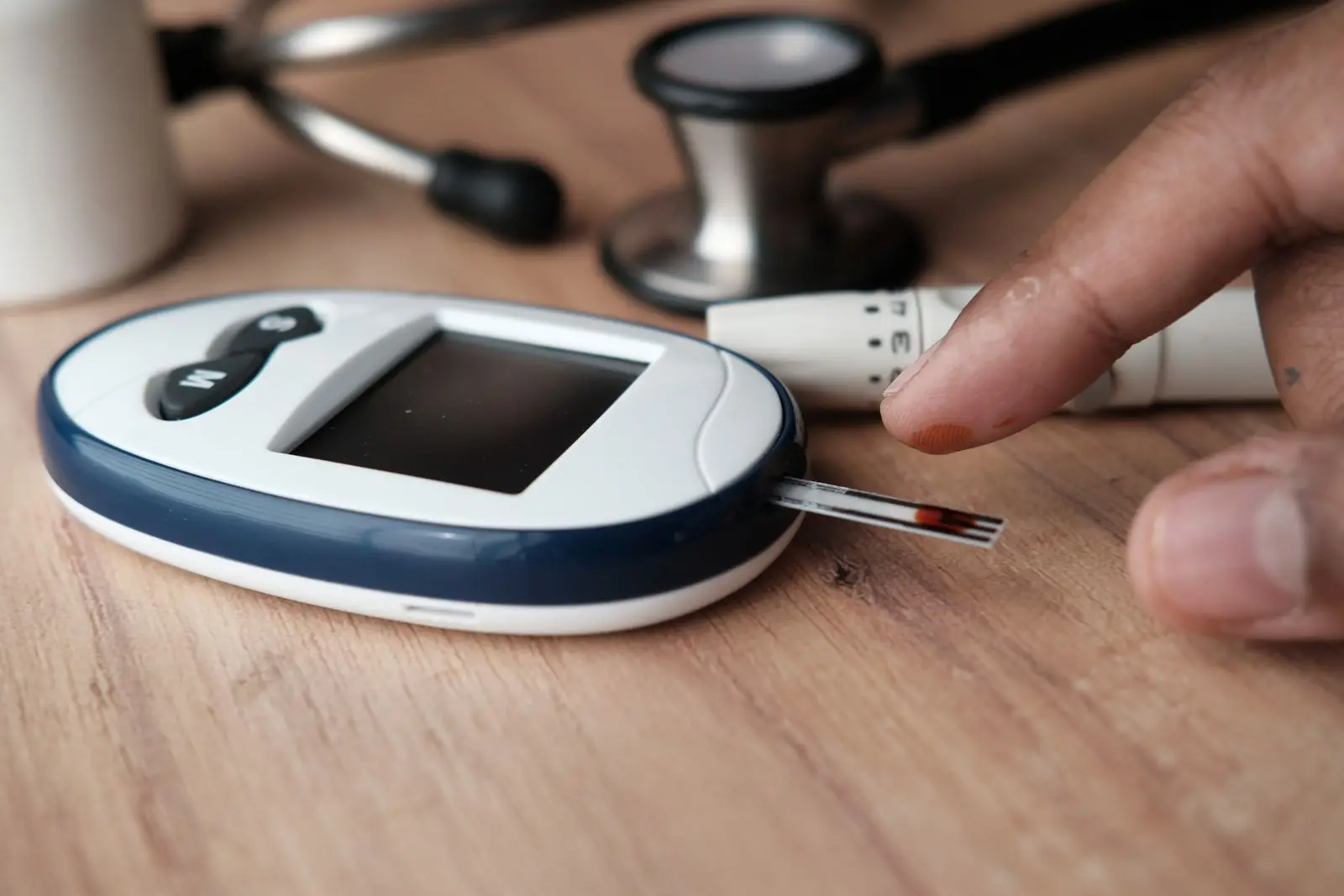
- Blood sugar checks. You may test your blood at home with a small meter and a finger prick, and record the readings. Target numbers differ by country, for example between the UK's NICE guidance and the American Diabetes Association's, and your own team's targets come first.
- Medicine, if needed. If food and movement are not enough, tablets or insulin may be offered. They are safe for your baby.
- Extra scans and monitoring, and a plan for the timing and method of birth.
If you are fasting for religious reasons, or have limited access to food or fresh produce, tell your team so that the plan fits your life.
Gestational diabetes usually goes away after birth. However, it raises your chance of type 2 diabetes later, so a blood test is usually advised at about 6 to 13 weeks after birth and then regularly.
Your week 26 checklist
Call your provider
Call your provider if you have extreme thirst, frequent urination with nausea or vomiting, unexplained weight loss, blurred vision or feel seriously unwell. If you are diagnosed with diabetes and your blood sugar readings are much higher than your targets, call your team. This guide is general information and does not replace medical advice.
Frequently asked questions
How does the glucose test work in pregnancy?
You drink a glucose solution, and blood samples show how well your body handles it. Some tests are done after fasting, and some are not. Your clinic will tell you which applies.
Who is at risk of gestational diabetes?
People with a higher body mass index, a previous baby weighing 4.5 kg or more, previous gestational diabetes, a close relative with diabetes, or a family origin with a higher rate of diabetes. It can also occur without any risk factor.
What happens if I fail the glucose test?
You will usually be offered a longer test or a diagnosis, and a plan with diet advice, activity and, if needed, medicine. Most people have healthy pregnancies with treatment.
Sources
Sources: NHS: 26 weeks pregnant; NHS: Gestational diabetes; NHS: Gestational diabetes treatment; Mayo Clinic: Fetal development, the second trimester; Cleveland Clinic: Fetal development, week-by-week stages of pregnancy; USPSTF: Gestational diabetes screening; NIDDK: Managing and treating gestational diabetes; NICE: Diabetes in pregnancy (NG3); American Diabetes Association: Standards of Care, management of diabetes in pregnancy