


At 38 weeks pregnant, your baby is about 49.8 cm long, roughly the size of a rhubarb stalk, and weighs about 6.4 lb (2,900 g). Your baby is ready to be born at any time, and most first-time parents are wondering what labour will involve.
This guide walks through the stages of labour and the main ways to cope with the pain, so you can decide what you might want and ask the right questions ahead of time.
Your baby this week
Your baby's organs are ready to work independently. The lungs are mature enough for breathing, the immune system has received antibodies from you and the digestive system can take milk. The brain and nervous system continue to develop, and your baby is alert.
Your baby's head is usually low in the pelvis, and the movements are more limited, but you should still feel them regularly. Your baby may have a head of hair, or none at all, and the nails may need trimming at birth.
How it happens. As labour begins, the uterus tightens in waves. Each contraction pulls the cervix upward and pushes the baby's head down against it, so the cervix thins and opens. Hormones, including oxytocin, drive this process.
Your body this week
Your cervix is softening, and it may already be thinning and opening a little. You may notice more Braxton Hicks tightenings, a heavier pelvis and a need for more rest. Some people feel a burst of energy, and others feel tired and impatient.
If you have practised breathing, relaxing or positions, keep at it. Rehearsing gives your body and mind something familiar to draw on during labour.
Common symptoms at 38 weeks
- Heavy pelvic pressure. Your baby's head is low.
- More tightenings. They may be irregular for days.
- Loose stools and cramping. The body may clear the bowel.
- Impatience. Waiting is hard, and it is normal to feel it.
- Poor sleep. Comfort and a busy mind make it hard.
- Vaginal discharge changes. Thicker mucus, or a show.
The stages of labour
First stage: the cervix opens. This is the longest stage. It has two phases.
- Early (latent) labour. The cervix softens, thins and opens to about 4 to 6 cm. Contractions are milder and irregular, then regular. This phase can last many hours or even days, and most people are comfortable at home.
- Active labour. The cervix opens from about 6 cm to 10 cm, and contractions are stronger, longer and closer together. This is usually when you go to your birth setting.
- Transition. The last part of the first stage, when the cervix is close to fully open. Contractions are intense, and you may feel shaky, hot or nauseous.
How long the first stage lasts varies greatly. For a first birth, it often takes many hours, and sometimes more than a day. It tends to be shorter for later births.
Second stage: pushing and birth. When the cervix is fully open, you feel an urge to push, or your midwife guides you. This stage can last from a few minutes to a few hours. Your baby moves down the birth canal and is born. You may feel a stretching or burning sensation as the head crowns. Your baby is usually placed on your chest.
Third stage: the placenta. Contractions continue for a short while, and the placenta separates and is delivered, usually within 30 minutes. Many providers offer an injection to help the uterus contract and reduce bleeding, and you can discuss this ahead of time.
Pain relief and coping options
It is hard to know how you will feel until you are in labour, so it helps to know the choices. Ask what your birth setting offers, since availability varies.
Without medicine
- Support. A calm, encouraging birth partner or doula can make a big difference.
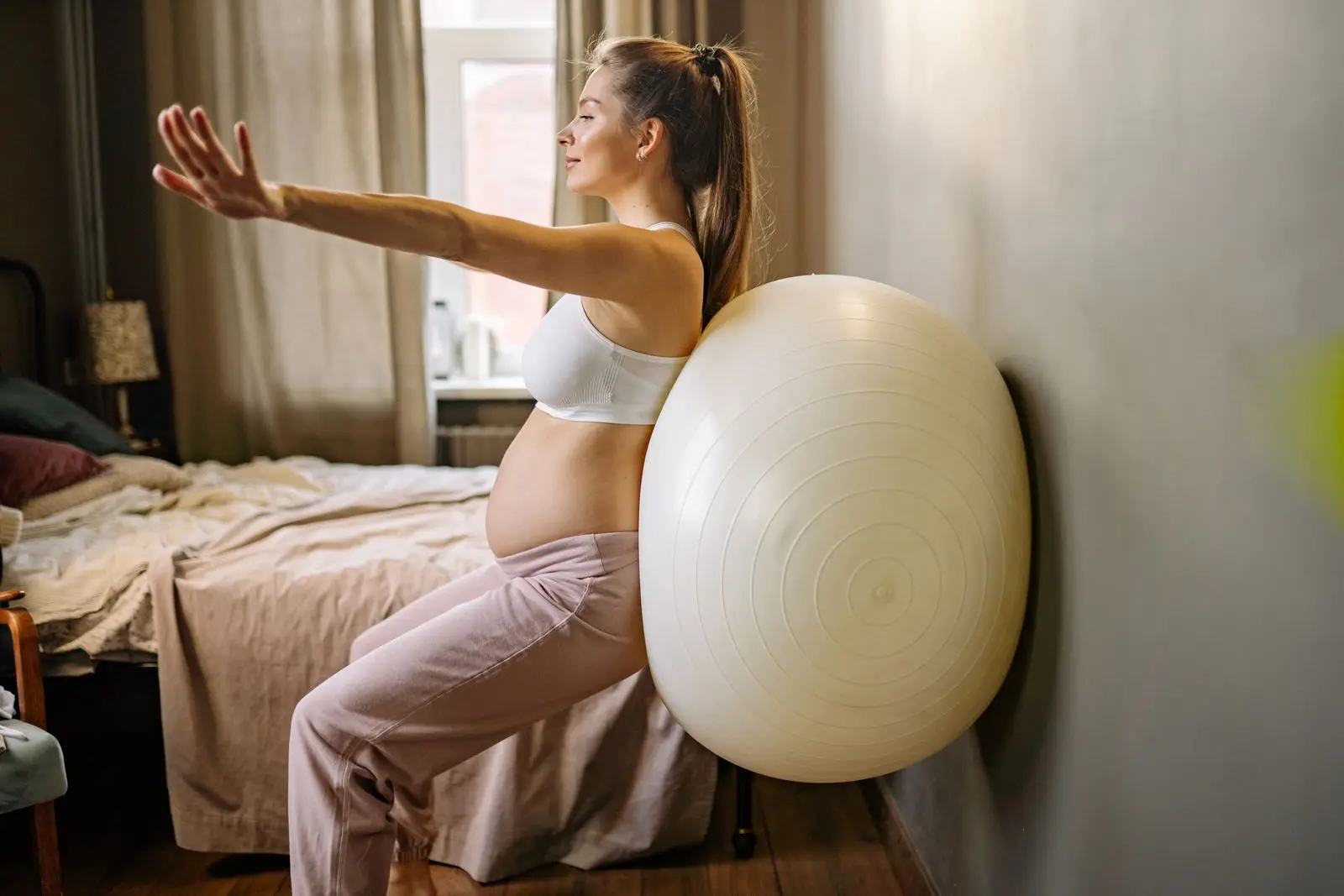
- Movement and positions. Walking, swaying, leaning forward, kneeling or using a ball.
- Breathing and relaxation. Slow, steady breathing helps you stay in control.
- Water. A warm bath, shower or birthing pool can ease pain.
- Heat and massage. A warm pack on your back or a massage.
- TENS. A small device that sends mild electric pulses through pads on your back. Some people find it helps in early labour.
- Hypnobirthing. Techniques that combine relaxation, breathing and positive thinking.
With medicine
- Nitrous oxide (gas and air). You breathe it through a mouthpiece and control it yourself. It takes the edge off the pain and wears off quickly. It can cause light-headedness or nausea. It is not available everywhere.
- Opioid injections. Medicines such as pethidine or morphine are given by injection. They ease the pain and help you rest, but they can make you drowsy or sick, and they can affect your baby's breathing and feeding if given close to birth.
- Epidural. A local anesthetic is given through a thin tube in your lower back, and it numbs the lower body. It is the most effective pain relief for labour. It takes about 20 to 30 minutes to set up and work. You will usually need a drip, blood pressure checks and continuous monitoring of your baby. It can lower your blood pressure, cause itching or a headache (rarely), and the pushing stage may be longer. You may need help to push.
- Spinal. A one-time injection, more commonly used for cesareans.
You are not failing if you ask for more than you planned, and you can also decide you no longer need something. Tell your team what you want.
Preparing
- Learn the stages, and share them with your birth partner.
- Take an antenatal class, in person or online.
- Practise your breathing and positions.
- Decide on your first choices for coping, and your back-up.
- Ask your unit about pain relief, waiting times for an epidural and whether you can use a pool.
Your week 38 checklist
Call your provider
Call your maternity unit if you have regular contractions, your waters break, you have bleeding, your baby moves less or you feel unsure. This guide is general information and does not replace medical advice.
Frequently asked questions
What are the stages of labour?
The first stage, when the cervix opens, the second, when the baby is born, and the third, when the placenta is delivered.
What pain relief is available in labour?
Non-drug methods such as movement, water and support, gas and air, opioid injections and epidurals. Availability depends on where you give birth.
How long does labour last for a first baby?
It varies a great deal. The first stage often takes many hours, and early labour can be longer. Your team will support you throughout.
Sources
Sources: NHS: 38 weeks pregnant; NHS: Signs that labour has begun; Mayo Clinic: Fetal development, the third trimester; Cleveland Clinic: Fetal development, week-by-week stages of pregnancy