

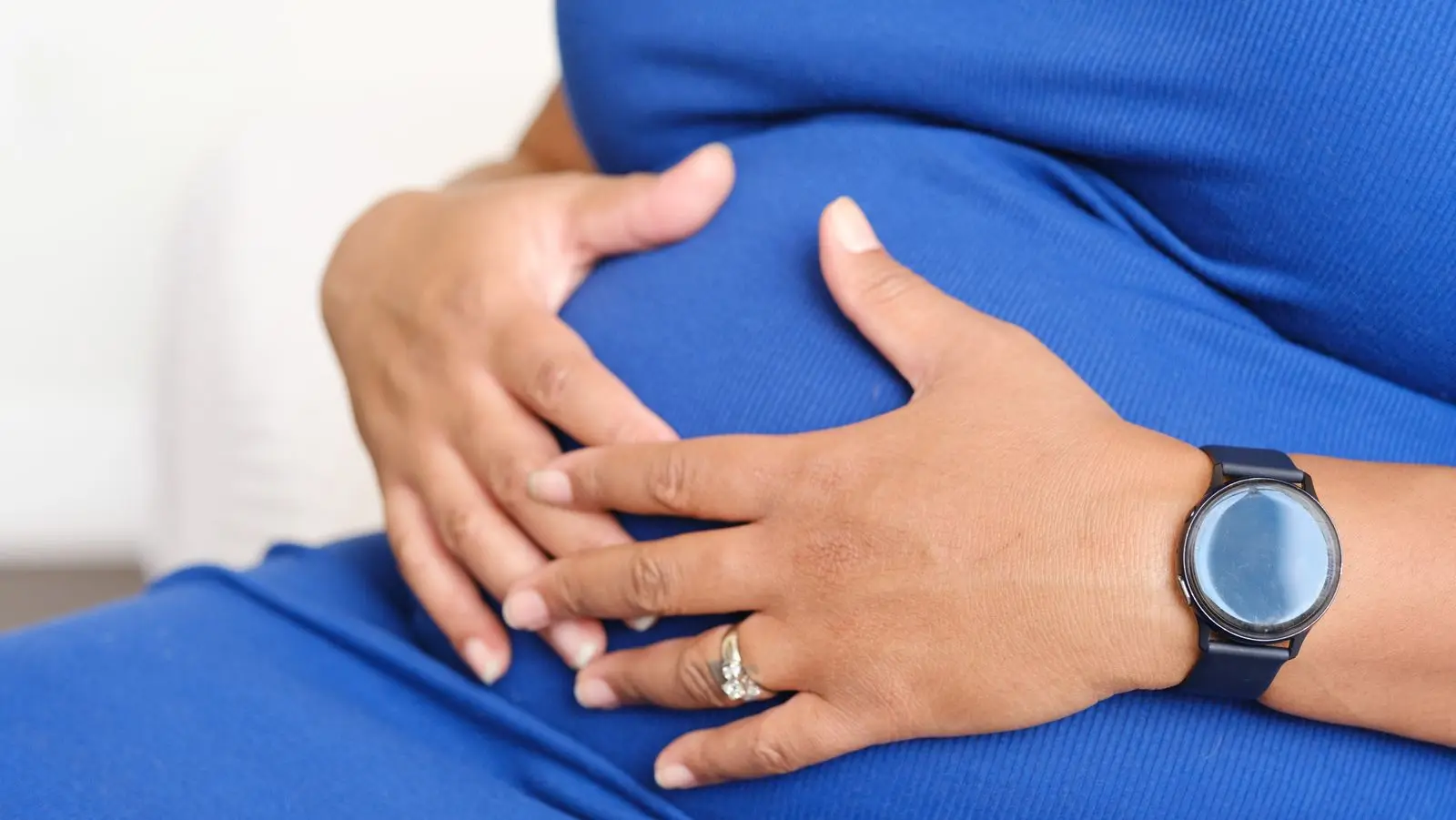

At 37 weeks pregnant, your baby is about 48.6 cm long, roughly the size of a leek, and weighs about 6 lb (2,700 g). Your baby is now considered early term. Labour could start any day, although most first babies arrive closer to 40 weeks.
Knowing what early labour looks like, what to do at home and when to call your maternity unit lets you stay calm when it begins. This guide sets out the signs and the steps.
Your baby this week
Your baby is fully formed and practising for life outside. The lungs are ready for breathing air, and the digestive system can take milk. The brain and nervous system are still developing and will keep doing so for years. Your baby has a firm grip and may practise sucking.
Meconium, the dark, sticky first stool, has built up in the bowel. Your baby will usually pass it in the first day or two after birth. Your baby is probably head-down, with the head lower in your pelvis.
How it happens. Labour starts through a signal that is not fully understood. A mix of hormone changes in you and your baby, and stretching of the uterus, seems to trigger contractions, and the cervix softens, thins and opens.
Your body this week
Your cervix is starting to soften, and it may begin to thin out and open a little. You may have more Braxton Hicks tightenings, and you might feel pressure, an achy back or loose stools. These can go on for days or even weeks before labour starts, which is often called pre-labour or early labour.
You may feel a mix of excitement and nerves. Keep your phone charged, your bag packed and your plan ready.
Common symptoms at 37 weeks
- Stronger Braxton Hicks. They may be more frequent and uncomfortable, but still irregular.
- Loose stools. The body may clear the bowel as labour approaches.
- A bloody show. A pink, brown or blood-streaked mucus discharge, as the mucus plug comes away.
- A dull backache or period-like cramps. These can be an early sign.
- A burst of energy. Many people feel nesting urges.
- Restlessness and light sleep. Excitement and discomfort keep you awake.
Signs that labour is starting
The NHS lists these signs. Not everyone has all of them, and their order varies.
- Contractions. Regular tightening that comes at intervals and gets longer, stronger and closer together. They may feel like period pain or a tightening band around your belly or back.
- A show. The mucus plug, which has sealed the cervix, comes away as a sticky, jelly-like pink or blood-streaked discharge. This can happen days before labour, or during it.
- Backache. A persistent ache in the lower back that may come in waves.
- An urge to use the toilet. Pressure from the baby's head on the bowel.
- Your waters breaking. Fluid escapes as a trickle or a gush. Only about one in ten labours begin this way, and for most people contractions start before the waters break.
When to call, and when to go in
Each maternity unit gives its own advice. Ask yours what it prefers, especially if you live far away, had a fast labour before or have a higher-risk pregnancy.
A common rule of thumb for contractions is 5-1-1: contractions about every five minutes, each lasting about a minute, for about an hour. Once that pattern is established, call your unit. Before that, you can usually stay at home.
Call your maternity unit right away, or go in, if:
- Your contractions are regular and painful, and fit your unit's guidance
- Your waters break, whether a trickle or a gush
- You have vaginal bleeding that is more than a show, or is bright red
- Your baby is moving less, or in a different pattern
- You are less than 37 weeks, or you have a high-risk pregnancy
- You have a constant, severe pain that does not ease between contractions
- You are worried, or something does not feel right
If your waters break
Note the time, and the colour and smell of the fluid, and put on a pad. Call your unit, even if you have no contractions. Clear or slightly pink fluid is normal. If it is green or brown, or has blood in it, tell them and go in right away, since it may mean your baby has passed meconium. If you have GBS or your baby is not head-down, go in as advised. Most people go into labour within 24 hours of their waters breaking at term, and your team will explain how long they are comfortable to wait.
What to do at home in early labour
- Stay comfortable. Change positions, walk, use a ball or take a warm bath or shower.
- Eat light foods and drink fluids. Toast, fruit and soup are easy choices.
- Rest if you can. Early labour may be long, and you will need energy.
- Time your contractions. Note when each starts and its length, or use a phone app.
- Use distraction. Music, a film, a walk or a chat can pass the time.
- Keep your birth partner informed, and arrange your transport.
Your week 37 checklist
Call your provider
Call your maternity unit if you have regular contractions, your waters break, you have bleeding, your baby moves less, or you feel unsure. Do not wait until the next day for reduced movement. This guide is general information and does not replace medical advice.
Frequently asked questions
What are the first signs of labour?
Regular contractions that build, a bloody show, backache, loose stools and waters breaking. Some people notice only one or two signs.
When should I go to the hospital when in labour?
Follow your maternity unit's advice. A common guide is contractions about every five minutes, lasting about a minute, for an hour. Go sooner if your waters break, you bleed or your baby moves less.
What should I do if my waters break?
Note the time and the colour of the fluid, wear a pad and call your unit. Go in right away if it is green or brown, or if there is blood.
Sources
Sources: NHS: 37 weeks pregnant; NHS: Signs that labour has begun; Mayo Clinic: Fetal development, the third trimester; Cleveland Clinic: Fetal development, week-by-week stages of pregnancy