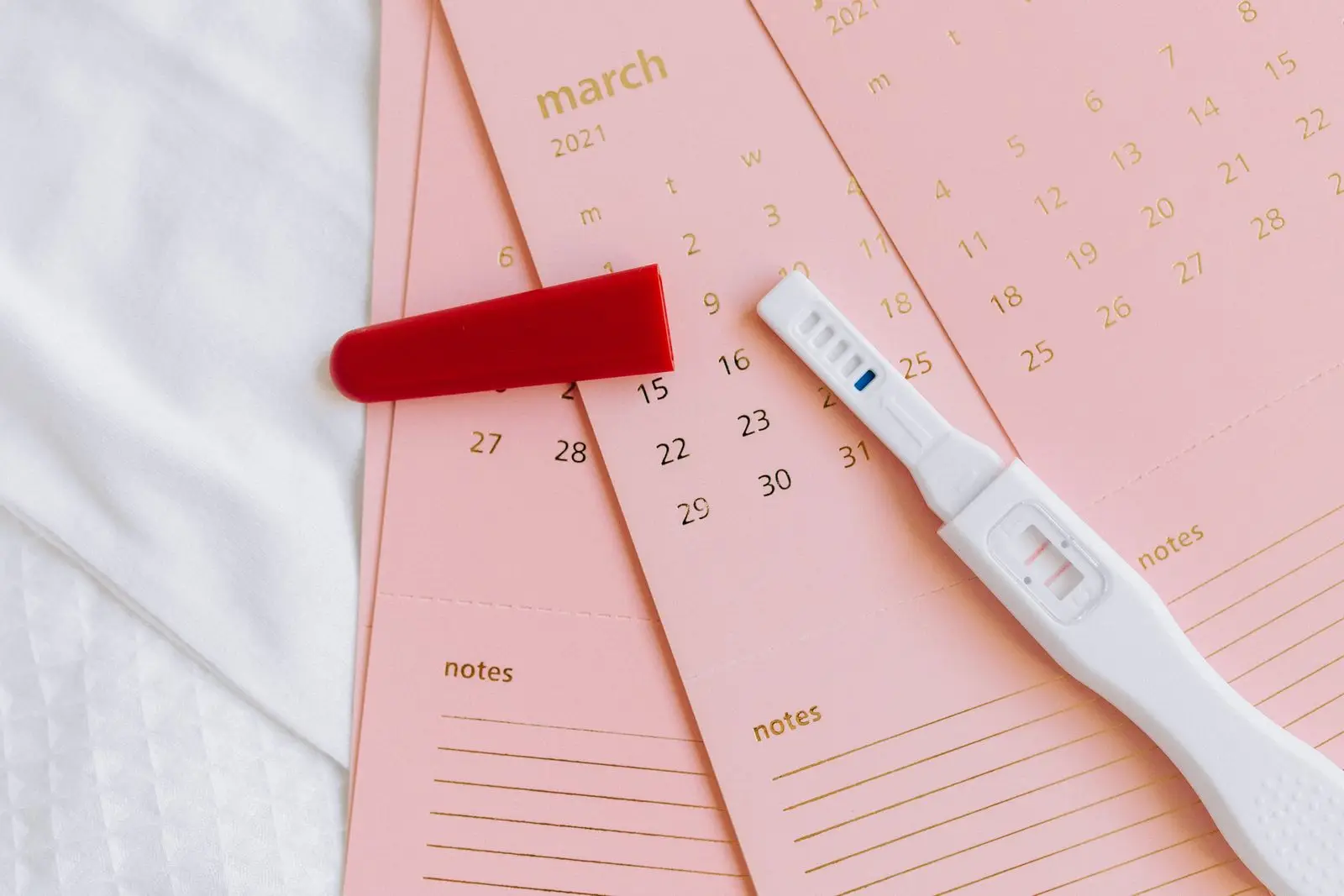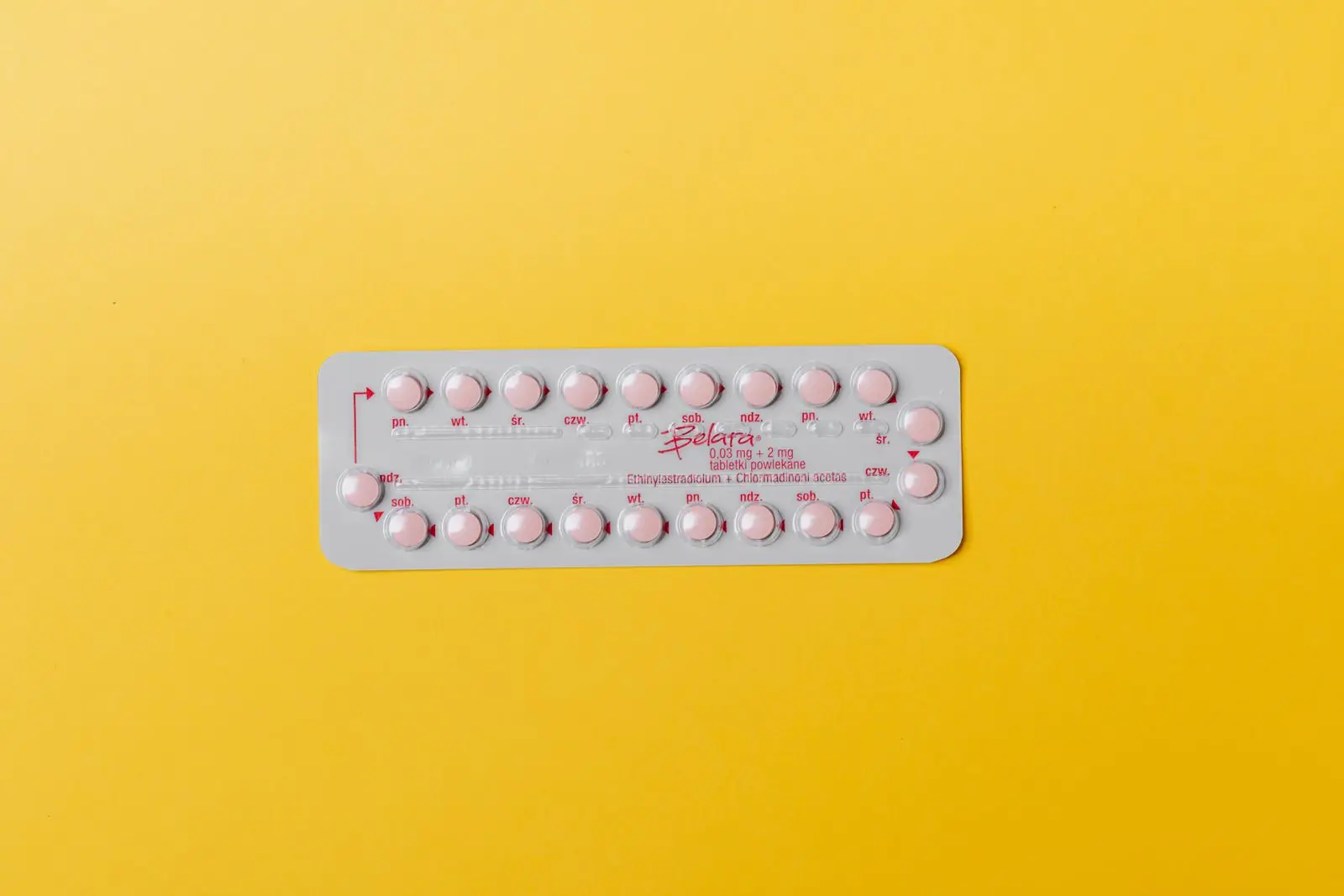
You can get pregnant very soon after an abortion, often before your first period. The World Health Organization says ovulation can return as early as 8 to 10 days afterwards and usually within a month. The WHO describes this for both induced and spontaneous abortion.
This guide explains the timeline, when contraception can start, how pregnancy tests behave afterwards and what the evidence says about trying again. Laws and services differ from country to country, so it sticks to what happens in the body and what care teams advise.
How soon can ovulation return?
The WHO's 2022 abortion care guideline states that after an induced or spontaneous abortion, ovulation can return as early as 8 to 10 days later and usually within a month. That is why it advises starting contraception right away for anyone who wants to avoid pregnancy.
Two small studies add detail. In a trial of 14 women tracked after a medical abortion with mifepristone and misoprostol (pregnancies up to 63 days), ovulation happened on average 20.6 days after the first pill, with a range of 8 to 36 days. Ovulation time did not depend on age, body mass index or how far along the pregnancy had been, although a study this size can miss differences. An older study followed 12 women after abortion and found that nine of them ovulated as early as 21 days afterwards.
Ovulation comes before the first period, which arrives about two weeks later. As a rough guide, that puts the first period at around five weeks for many people, with a wide range. A bleed in the first days after an abortion is part of the abortion and does not tell you whether you have ovulated.
| When | What may happen |
|---|---|
| Day of the abortion | Contraception can start the same day. |
| Day 8 to 10 onward | Ovulation can return as early as this (WHO). |
| Around week 3 | Average ovulation after a medical abortion in one study: day 21, range day 8 to 36. |
| Around week 5 | First period for many people, about two weeks after ovulation. A rough guide only. |
| Several weeks | hCG keeps falling until a pregnancy test turns negative. |
How do you start contraception after an abortion?
Most methods can start straight away. The WHO guideline puts combined hormonal methods, progestogen-only methods and condoms among the options with no restriction after an abortion, and an IUD can be inserted right after a first-trimester surgical or medical abortion. After a medical abortion, hormonal methods can begin after the first pill of the regimen, and an IUD goes in once the clinic has confirmed the abortion worked. BPAS, a UK provider, says most methods can start on the day of treatment.
The NHS says it is possible to get pregnant straight after an abortion, and that you should not have sex until you feel ready. There is no set time to wait. If you want to avoid pregnancy, protection matters from the first time you have sex. Our guide to coming off birth control explains how fertility returns when a method stops.
How long should you wait before trying again?
You may have heard that you should wait six months. That advice goes back to a 2005 WHO consultation on birth spacing, which recommended waiting at least six months after a miscarriage or an induced abortion. Newer evidence does not support it:
- A Norwegian study of 49,058 births after miscarriage and 23,707 births after induced abortion found that conceiving within three months was not linked to higher risks of preterm birth, small babies, pre-eclampsia or gestational diabetes.
- An analysis of 692,402 pregnancies in 46 countries found that intervals under 3, 6 and 12 months after an abortion or stillbirth did not carry a higher risk of perinatal death.
- A 2023 meta-analysis called the evidence limited, and found no significant link between short intervals after pregnancy loss and the outcomes it studied.
None of this removes your choice. Many people wait until the bleeding has stopped and they feel ready, emotionally as well as physically. If you had a later abortion, a complication or a health condition, ask your care team about timing.
What happens with pregnancy tests after an abortion?
hCG, the hormone a pregnancy test detects, takes time to fall after a pregnancy ends. A small 1979 study of 13 women found that after a first-trimester suction abortion it took 37.5 days on average to fall to a very low level. So a home test can stay positive for weeks, and a positive result soon afterwards does not mean you have conceived again.
If you had a home-based abortion, the NHS says your provider may ask you to take a pregnancy test to confirm it worked, and will tell you when. Follow their timing. Two blood tests about two days apart show the direction: a falling hCG fits a pregnancy that has ended, and a level that rises again after it has fallen points to a new pregnancy. The hCG calculator has a check for both a rise and a fall, and our guide to when to take a pregnancy test covers timing.
How do you date the next pregnancy?
If you conceive before a period has returned, dates from your last period are unreliable, because ovulation comes before the first period. An early ultrasound gives a better estimate. The due date calculator can work from your conception date if you know it, and our week by week timeline shows what to expect.
Will an abortion affect your future fertility?
The NHS says that after an abortion, your chance of getting pregnant in the future should return to what it was before. Complications such as infection can happen and are treatable, which is why the warning signs below matter. If you want to conceive again, the usual advice applies: start folic acid before you try, and see our guide to folic acid.
Looking after yourself
People feel many things after an abortion, including relief, sadness, both together or very little. There is no right way to feel, and your feelings can change. You can ask the clinic for support, and a friend, partner or counsellor can help too. If you are thinking about trying again, it is fine to wait until you feel steady.
When to get medical help
Contact your care team if pain or bleeding is not getting better after a few days, pregnancy symptoms last more than a week, or you have a fever, flu-like symptoms or unusual discharge. The NHS says bleeding can last several weeks. Get emergency help (911 in the US and Canada, 999 in the UK, 112 across the EU, 000 in Australia, 111 in New Zealand) for very heavy bleeding, severe pain or fainting. This guide is general information and does not replace medical advice.
Frequently asked questions
How soon can I get pregnant after abortion?
Straight away. Ovulation can return as early as 8 to 10 days afterwards, and the NHS says it is possible to get pregnant straight after an abortion. No calculator can name your day, but the best time to get pregnant calculator estimates your window once periods return.
Can you get pregnant before your first period after an abortion?
Yes. Ovulation comes about two weeks before a period, so you can conceive before the first one arrives.
How long after an abortion can you have sex?
There is no set time. The NHS says to wait until you feel ready. If you want to avoid pregnancy, use contraception from the first time you have sex.
How long should you wait to conceive after an abortion?
Older WHO advice said six months. A Norwegian study of more than 70,000 births found no higher risks when people conceived within three months, so there is no proven medical need to wait. Many people choose to wait until they feel ready.
How long does a pregnancy test stay positive after an abortion?
It can stay positive for several weeks, because hCG falls slowly. In one small study of first-trimester suction abortions it took 37.5 days on average to fall to a very low level.
Does an abortion cause infertility?
The NHS says your chance of getting pregnant should return to what it was before. See a provider if you have trouble conceiving after a year of trying, or sooner if you are 35 or older.
Sources
Sources: WHO Abortion care guideline: post-abortion contraception, recommendations 41 to 47; NHS: Recovering from an abortion; BPAS: Contraception after abortion; Schreiber et al., 2011: Ovulation resumption after medical abortion with mifepristone and misoprostol; Marrs et al., 1979: Disappearance of human chorionic gonadotropin and resumption of ovulation following abortion; Tessema et al., 2022: Interpregnancy interval and adverse outcomes after miscarriage or induced abortion in Norway (PLoS Medicine); Ali et al., 2023: Short inter-pregnancy intervals and perinatal mortality in 46 countries (Lancet Global Health); Ni et al., 2023: Birth spacing and adverse pregnancy outcomes, a meta-analysis (Acta Obstetricia et Gynecologica Scandinavica)