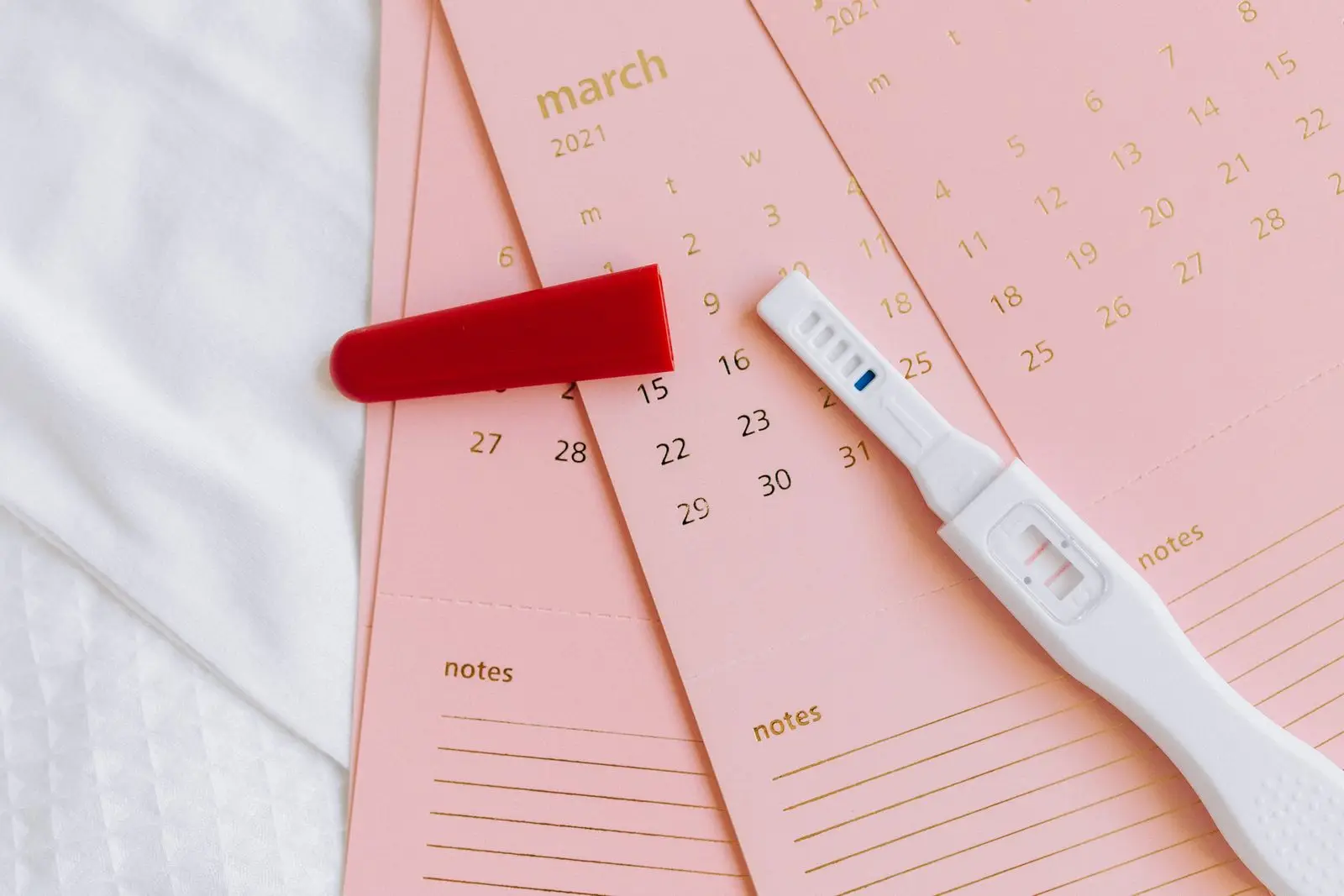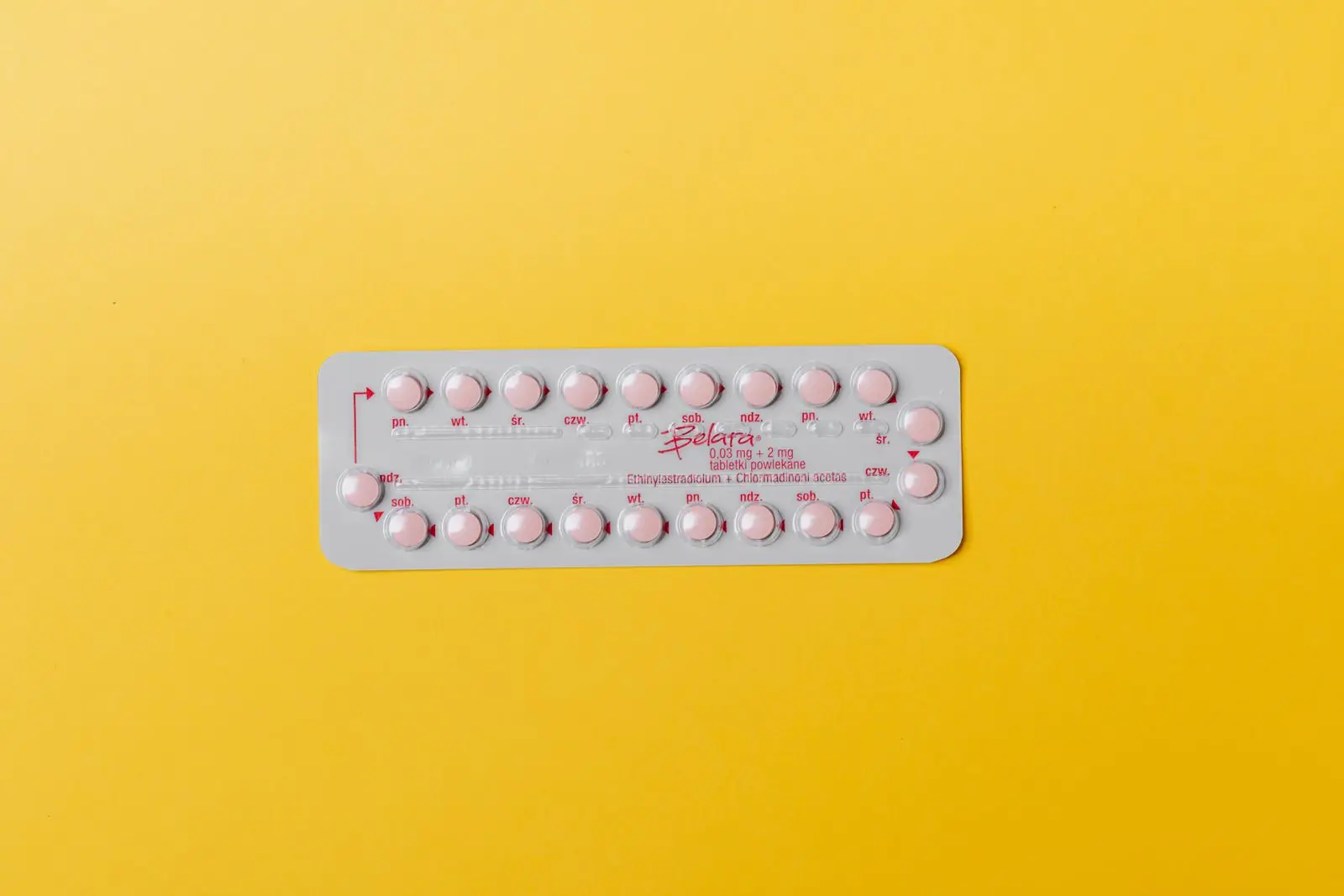
Stopping birth control is a clear first step toward trying for a baby, and many people wonder how long it will take before they can get pregnant. The answer depends on the method you used.
This guide explains the differences between methods, what to do before you stop, how to approach the first months and when to ask for help.
Does your fertility come back right away?
Different methods work in different ways, so they leave your body on different schedules.
- The contraceptive injection can delay a return to your previous fertility for up to a year after the last dose, according to the NHS. A delay does not mean you are infertile, and it does not mean the same delay applies to other methods.
- Pills, patches and rings act by changing your hormones for as long as you use them. Ovulation can come back within weeks of stopping, and for some people it takes a few cycles.
- Intrauterine devices and implants work in your uterus or under your skin. Once a device is removed, your own cycle can resume quickly, and your provider can tell you what to expect for your type.
- Barrier methods and tracking methods do not change your fertility, so you can try the moment you stop using them.
Your first ovulation may come before your first period, so pregnancy is possible even if you have not had a bleed yet. Fertility after stopping a method is not a measure of your long-term fertility. Talk to your provider if you have used a method for many years, or if your periods were irregular before you started it.
Is there a reason to wait a few months?
There is no medical need to wait. Some providers suggest letting one or two natural periods happen first, because it makes pregnancy dating easier, since a "last period" after a pill break is not a true menstrual period. That is a convenience and not a safety rule. If you would like to have a natural cycle before you try, you can use another method in the meantime. A pregnancy that begins soon after stopping a method can be dated with an early scan.
The due date calculator can give you an estimate, and a scan refines it.
What should you do before you stop?
- Book a preconception visit. Review long-term conditions, medicines and your family history. A useful appointment can cover chronic conditions such as diabetes or epilepsy, mental health, infection risks, work exposures and support needs. Weigh the risks of an untreated condition as well as a medicine's risks, include over-the-counter and herbal products, and do not stop a prescribed medicine without advice. "Safe in pregnancy" depends on the exact ingredient and your country's product information.
- Start folic acid. See folic acid before pregnancy for the timing advice in different countries, and choose a prenatal vitamin that fits you.
- Review vaccines. Rubella (German measles) infection in pregnancy can affect the baby, so immunity matters before you conceive, and the ECDC points to each country's vaccine schedule. Canadian guidance advises giving live MMR and varicella vaccines at least four weeks before pregnancy, and the US CDC advises avoiding pregnancy for 28 days after an MMR vaccine. If you had a vaccine before you knew you were pregnant, talk to your provider, and there is no need to panic.
- Keep using protection until you are ready. If you want to avoid pregnancy for a while, use another method in the meantime.
- Plan for what the pill was doing. If you took birth control for a condition such as heavy periods, acne or painful periods, ask what will replace it.
- Look at alcohol, smoking and cannabis. Avoiding alcohol while you try helps avoid exposure in an unrecognized pregnancy. Smoking has established harms for reproduction. Canadian guidance advises avoiding cannabis while trying to conceive, and the US FDA advises against cannabis, THC and CBD in pregnancy. Legal availability does not make it safe.
What can happen in the first months?
Your cycle may take a few months to settle. Periods can be irregular at first, and that makes a calendar estimate of ovulation less reliable. Tracking tools such as ovulation tests can help while your pattern returns. Start with the ovulation day guide and the signs of ovulation guide.
Some people notice that their cycle after hormonal birth control looks different from the one they remember. Hormonal methods can hide a pattern, such as long cycles or irregular ovulation, that was there before. If your periods are very far apart or absent after several months, that is worth a conversation, because a cause such as polycystic ovary syndrome may need attention.
Use a pregnancy test if your period is late, and see the pregnancy test timing guide to get a reliable result.
How do the main methods compare?
| Method | What to expect after stopping |
|---|---|
| Contraceptive injection | Return to usual fertility can take up to a year, according to the NHS |
| Combined pill, patch or ring | Ovulation can return within weeks, sometimes taking a few cycles |
| Progestogen-only pill | Fertility can return quickly |
| Intrauterine device or implant | Fertility can return soon after removal |
| Barrier methods | No effect on fertility |
Only the injection timeline is quoted from a source here. For the others, ask your provider, who knows the exact product you used.
How long should you wait before asking for help?
Give yourself time, and see your provider if your periods have not returned within a few months of stopping a method, if they stay very irregular or if you have been trying for 12 months (6 months if you are 35 or older). Earlier advice is sensible if you have a known condition that can affect fertility. The guide on how long conception takes explains the usual timelines.
Your preparation checklist
Talk to your provider
Speak with your provider if your periods have not returned within a few months of stopping birth control, they stay very irregular, or you have been trying for 12 months (6 months if you are 35 or older). This guide is general information and does not replace medical advice.
Frequently asked questions
Will I get pregnant right after stopping the pill?
It is possible, because ovulation can come back quickly after some methods. Your provider can tell you what to expect for yours.
Does the contraceptive injection cause infertility?
No. It can delay the return of your usual fertility for up to a year after the last dose, and the delay is temporary.
Should I wait a few months before trying?
There is no single rule. A preconception visit can help you decide what to do first, and folic acid is worth starting before you try.
Can I get pregnant before my first period after stopping?
Yes. Ovulation comes before a period, so a pregnancy can start before your first bleed.
Is it harder to get pregnant if I used birth control for years?
Using a method for a long time does not by itself reduce long-term fertility. If your cycles were irregular before you started, that pattern may return, and a provider can help.
Sources
Sources: NHS: Contraceptive injection; NHS: Trying to get pregnant; CDC: Planning for pregnancy; CDC: Medicine and pregnancy; CDC: Vaccination guidelines for pregnancy; ECDC: Congenital rubella syndrome; EMA: Medicines during pregnancy and breastfeeding; PHAC: Vaccination before pregnancy; PHAC: Folic acid; PHAC: Preconception care; Health Canada: Is cannabis safe during preconception, pregnancy and breastfeeding; FDA: Cannabis, including CBD, when pregnant or breastfeeding