

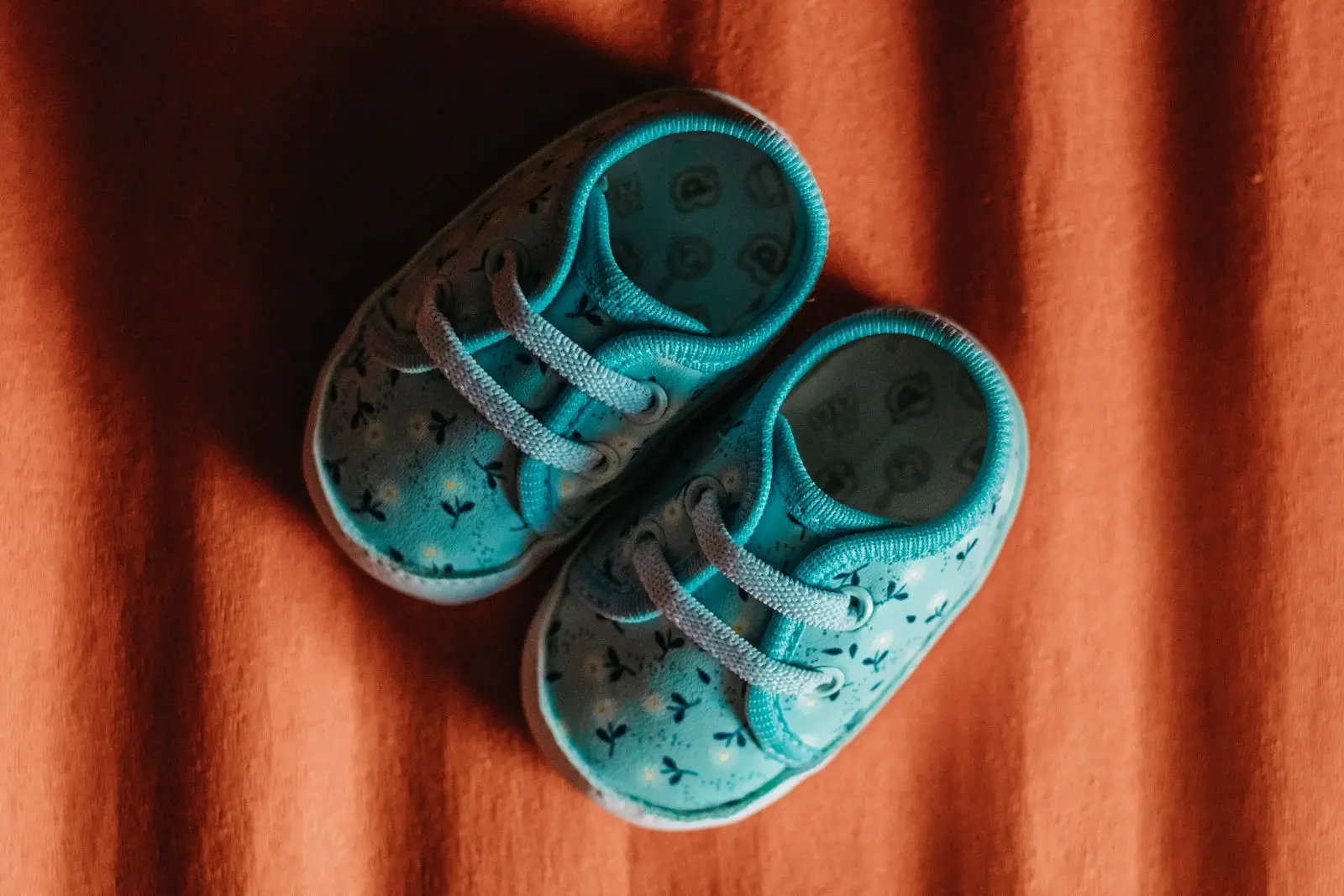

At 33 weeks pregnant, your baby is about 43.7 cm long, roughly the size of a pineapple, and weighs about 4.2 lb (1,900 g). If the baby arrived early, you would want a few things ready. If everything goes to plan, you still have about seven weeks, and this is the ideal moment to prepare.
This guide is a practical checklist. It covers what to pack, how to choose and fit a car seat, safe sleep and what to set up at home so that the first days go smoothly.
Your baby this week
Your baby's skeleton is hardening, but the skull bones are not fused. They are separated by soft gaps that allow the head to mould as it moves through the birth canal. The immune system is developing, and antibodies from you are passing through the placenta. The pupils react to light, and your baby's eyes are open when awake.
Your baby continues to put on fat, and the skin is no longer see-through. The lungs are close to mature, and your baby is practising breathing and sucking.
How it happens. The soft spots on your baby's head, called fontanelles, close gradually over the first months and years. They are covered by a tough membrane, so it is safe to touch the head gently.
Your body this week
Your uterus is close to its full height, and there is less space inside. Your baby may move less dramatically, but the number of movements should not fall. Pelvic pressure may increase as your baby moves lower.
Your energy may be high in bursts, and you may feel a strong urge to organize your home. Use it wisely, and pace yourself.
Common symptoms at 33 weeks
- Nesting energy. A sudden urge to clean and prepare.
- Tiredness. Carrying extra weight and sleeping less takes a toll.
- Swollen feet and hands. Mild swelling is common. Sudden swelling needs a check (see week 25).
- Stronger Braxton Hicks tightenings. They are still irregular.
- Vivid thoughts about the birth. Practical planning can help you feel more in control.
- Heartburn and fullness. Small meals help.
Hospital bag checklist
Aim to pack by about 36 weeks, and keep it near the door. Check what your hospital or birth centre provides before you buy anything.
For labour
For after the birth
For your baby
For your birth partner
Choosing and fitting a car seat
Most hospitals will not let you take your baby home without a suitable car seat, and it is the law in many countries. It is also the most important safety item you will buy.
- Choose a seat that meets your national standard, and that suits a newborn. Rear-facing is safest, and it should be used for as long as your child fits within the limits set by the manufacturer.
- Buy new if you can. A used seat may have been in a crash, may be past its expiry date or may have missing parts. Do not use one unless you know its full history.
- Read the manual for both the seat and your car. A loose install is a common mistake.
- Have it checked. Many areas have a certified technician or a public program where an expert checks your installation. Ask your provider or local health agency.
- Practise before the birth. Install the seat, adjust the harness and know how to release it.
- Never put your baby in a car seat with bulky clothing or a thick coat. It creates slack in the harness.
Safe sleep
Public health agencies give consistent advice for safe sleep:
- Place your baby on the back to sleep, for every sleep.
- Use a firm, flat surface, in a crib, bassinet or play yard that meets safety standards.
- Keep the sleep space clear. No pillows, bumpers, loose blankets or soft toys.
- Share a room, not a bed, for at least the first six months, if your national guidance says so.
- Keep the room smoke-free, and do not let your baby overheat.
Ask your provider about the guidance where you live, and about situations that raise the risk, such as sleeping with a baby on a sofa.
At home and at work
- Freezer meals. Cook and freeze a few meals for the first weeks.
- Support. List who can help with meals, older children, pets and errands.
- Transport. Plan how you will get to the hospital, including a back-up.
- Leave. Find out your employer's and your country's rules for parental leave and pay, and the notice you must give.
- Baby clothes. Wash new clothes and bedding with a mild detergent.
- Contacts. Save numbers for your maternity unit, your provider and a lactation consultant.
Your week 33 checklist
Call your provider
Call your provider if you have regular tightening, bleeding, fluid leaking, reduced movement, a severe headache or sudden swelling. Do not delay a call because you are unprepared. This guide is general information and does not replace medical advice.
Frequently asked questions
What should I pack in my hospital bag?
Your ID and prenatal records, a phone and charger, comfortable clothes, toiletries, snacks, maternity pads, and clothes and a car seat for your baby. Check what your hospital supplies.
When should I pack my hospital bag?
By about 36 weeks. Babies can arrive early, so it is better to have a bag ready than to scramble.
How do I choose and install a car seat for a newborn?
Choose a rear-facing seat that meets your national standard, follow the manual, and have your installation checked by a certified technician.
Sources
Sources: NHS: 33 weeks pregnant; Mayo Clinic: Fetal development, the third trimester; Cleveland Clinic: Fetal development, week-by-week stages of pregnancy